


The Fudan University–Washington University EMBA Program presents the Life Energy Field series, inviting you to engage in conversations with our current students and alumni and experience the transmission of energy from diverse life journeys.
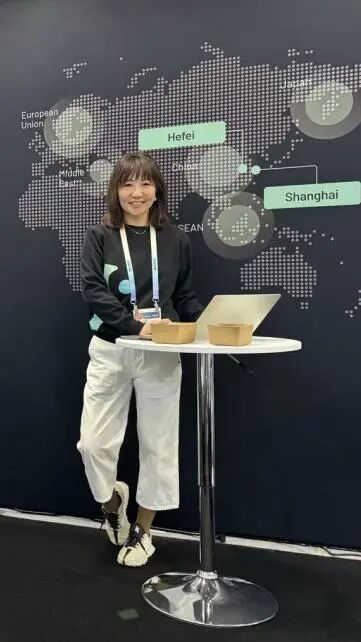
Linda Xu, Vice President of U-POWER and an active cross-platform content creator, joins us for this session. Amid the fiercely competitive new-energy sector, how does she sustain her high-energy mindset? How has she cultivated composure and conviction amid pervasive competition and anxiety?
We welcome Linda Xu, a member of the Program’s Class 22, to this edition of Life Energy Field. Beyond being a high-powered professional, she embodies a life in perpetual learning, expression and growth.
How do you interpret “energy”? What does it signify to you?
When I first encountered the theme “Life Energy Field”, I began to reflect on what energy means to me. I believe energy emanates from within: you need a steady inner core, from which magnetism radiates outward to form a field. That is how I understand the “energy field”.
How do you cultivate and sustain this energy amid your work and studies?
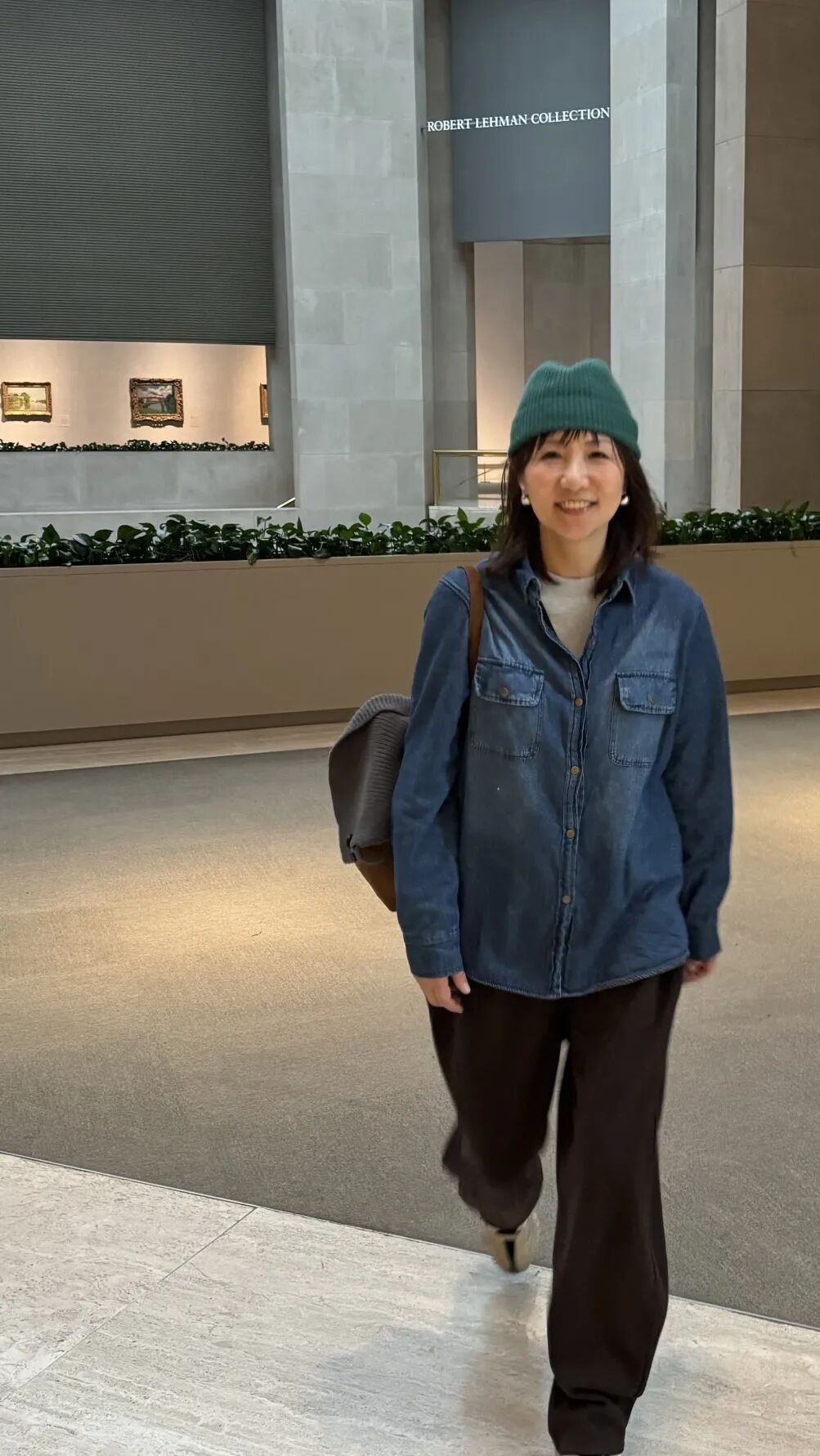
I believe clarity of purpose comes first. Life is ultimately a journey with oneself; whatever we do, we journey inward. We ourselves are the core of our energy field. I draw energy through engaging with the world — brainstorming at work and connecting with colleagues and friends. I also recharge in solitude: watching an immersive film or playing tennis for an hour each week. These moments replenish me.
Have you ever experienced periods of low energy? How do you reset yourself?
At such times, I manage my emotions, take deep breaths, and remind myself that time resolves many things. When facing exceptionally tough moments, I do not force an immediate solution nor dwell on overthinking. My natural temperament keeps anxiety at bay, which I see as a mechanism that preserves my energy.
How does your team sustain high energy amid the intense pressure and fast pace of your new-energy startup?
Founded in 2021, U-POWER is a startup. Our first electric logistics vehicle launched officially this year, targeting primarily overseas markets. Our core competency lies in skateboard chassis technology, which integrates an EV’s critical battery, motion control and intelligent architecture. It substantially shortens vehicle development cycles and boosts industry efficiency, forming our company’s key competitive advantage.
A startup demands not just energy, but also robust mental resilience. The electric vehicle market is fiercely competitive, yet we operate in an emerging niche. Our team’s sustained energy stems from the pursuit of new technologies and products, alongside our agility to resolve problems amid uncertainty. We share a collective conviction; this conviction and passion serve as a vital source of our energy.
I began my career at SAIC-GM before joining Alibaba’s internet-connected vehicle initiative. I have grown alongside China’s new automotive players and witnessed the evolution of Chinese electric vehicles from early exploration to global leadership. This journey has brought me immense fulfillment and a sense of resonance with the pulse of the times. This sense of purpose, forged by witnessing this era-shaping shift, also fuels my personal energy.
Having spent years in the automotive industry, have you gone through periods of anxiety? How did you overcome them?
Anxiety often stems from a lack of options. When a career or life path appears to leave no alternative, unease sets in. The key, therefore, is to expand your options — whether through continuous learning or translating platform capabilities into personal strengths at work — so you can take ownership of your trajectory.
Many today view large corporations as the safest bet, yet I question this assumption. No matter where you work, true security comes from building a stronger version of yourself. When I was at SAIC-GM, for instance, I noticed the brand had no plans for new technologies or products over the subsequent three to five years, even as the internet landscape was transforming rapidly. This triggered my anxiety, prompting me to resign without another job lined up and pursue new opportunities.
You run your startup while also creating content across social platforms including podcasts, Weibo and Red. What motivates you to do this? Is it driven by business considerations or personal passion?
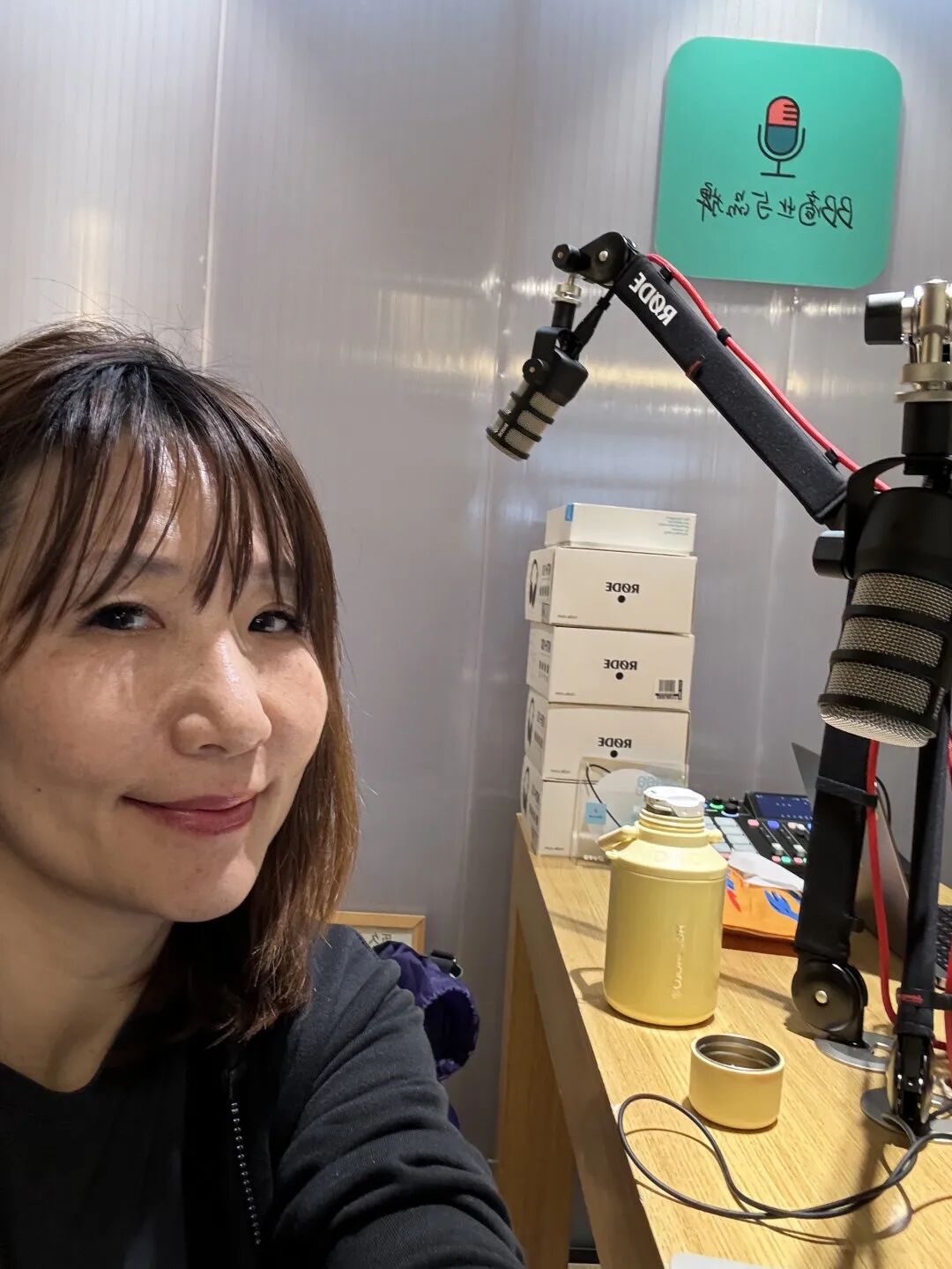
First and foremost, I host the podcast out of a strong desire to express myself and engage in dialogue with the world. My background is in marketing, and I have an innate passion for business.
I started out as an avid podcast listener. Later, fueled by the boldness of not knowing what lay ahead, I partnered with someone and launched our show. Our equipment was rudimentary at the beginning, yet I persisted largely thanks to consistent positive feedback — encouragement from friends, listeners and the platform.
Hosting the podcast is also a learning journey. When a topic sparks my curiosity, I research it, absorb the insights, and share them with the audience. It is, in essence, a pathway for my own growth.
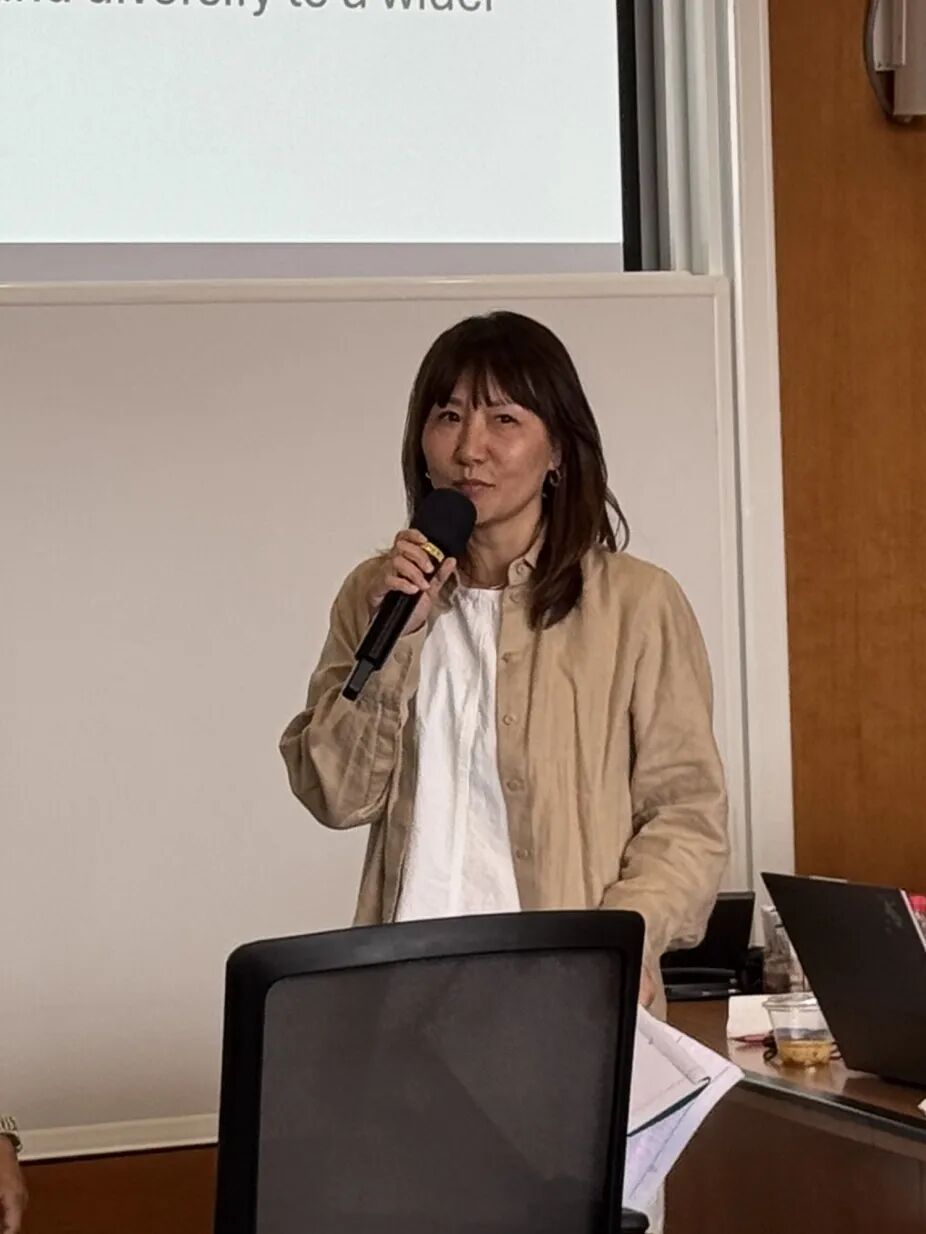
What led you to pursue the Fudan University –Washington University EMBA Program while building your startup?
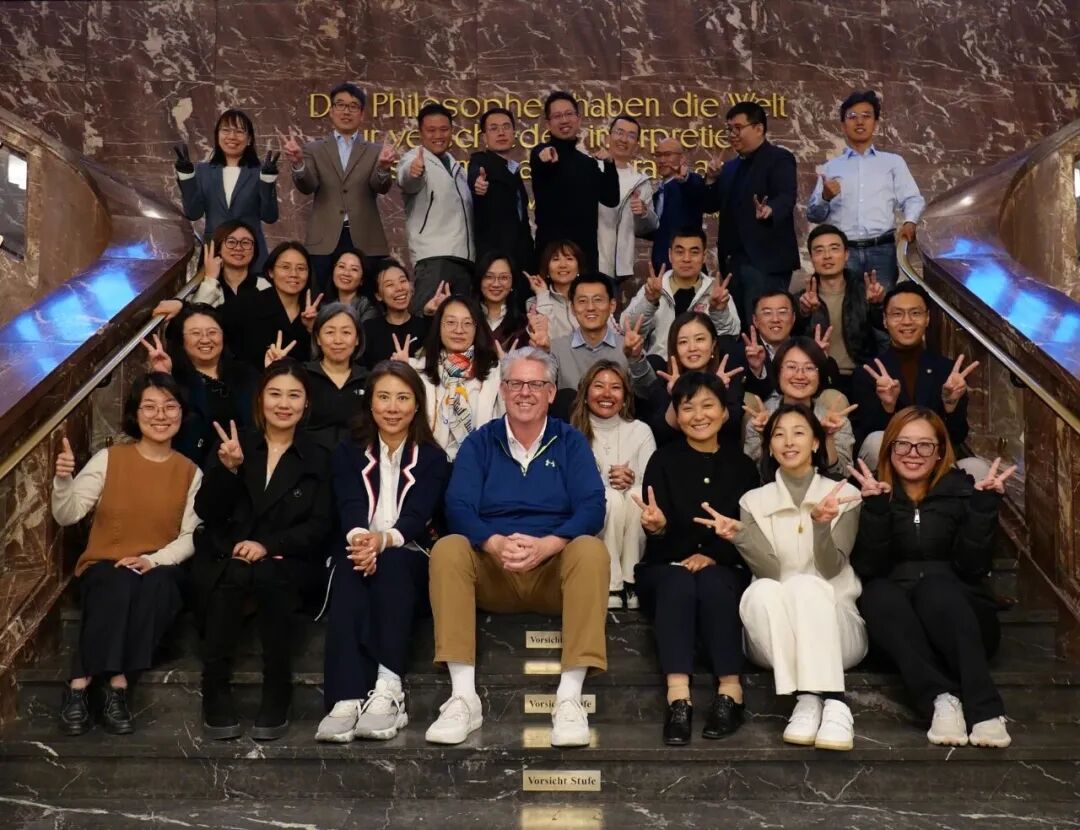
After launching my startup, I deeply craved the immersive in-person learning environment. The Fudan–Washington University EMBA Program draws its faculty from distinguished scholars at Washington University in St. Louis and Fudan University. Classroom insights have helped me adopt a long-term perspective and systematically build tangible strategies to weather economic cycles. When navigating challenges, I can identify what truly works.
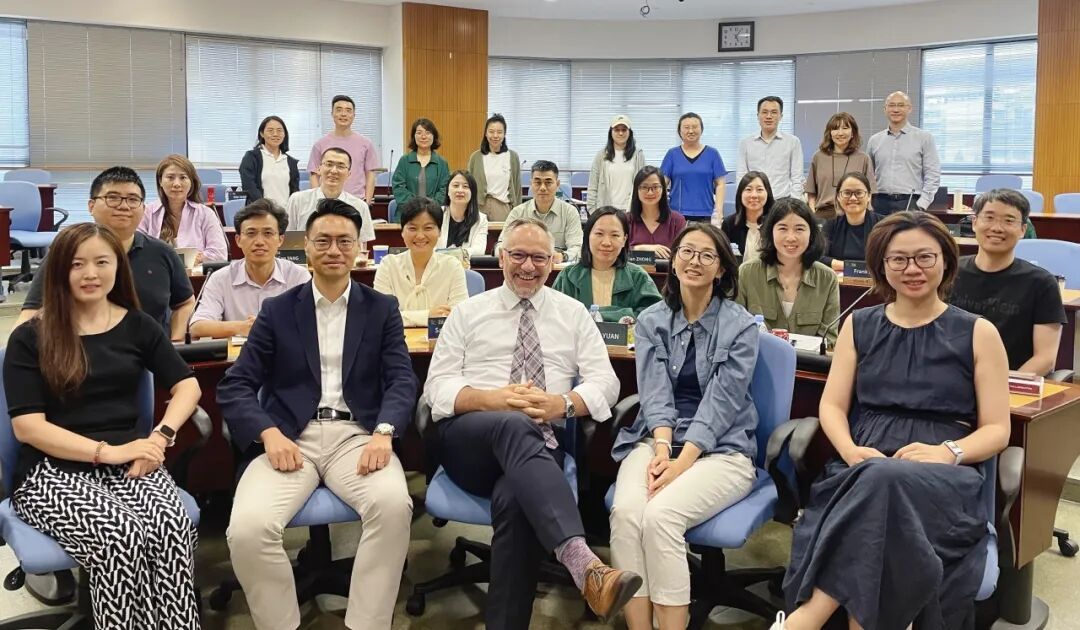
Which course from the Fudan–WashU EMBA Program would you recommend as one that offers new insights each time you study it?
I would choose Data Science. Our professor once noted that the AI space evolves at such a rapid pace that the curriculum gets updated every year. Therefore, even when revisiting it, it feels like taking an entirely new course.
What advice would you share with everyone about nurturing this “energy”?
I believe it ultimately comes back to yourself: find what truly brings you joy. It may be a sense of achievement from work, or recharging through reading, travel, and conversations with others in life. Only by discovering your own source of joy can you build a genuinely stable energy field.