The Inaugural Fudan Sci-Tech Innovation Management Academic Forum (2025) and International Journal Publication Experience Exchange Conference Successfully Held
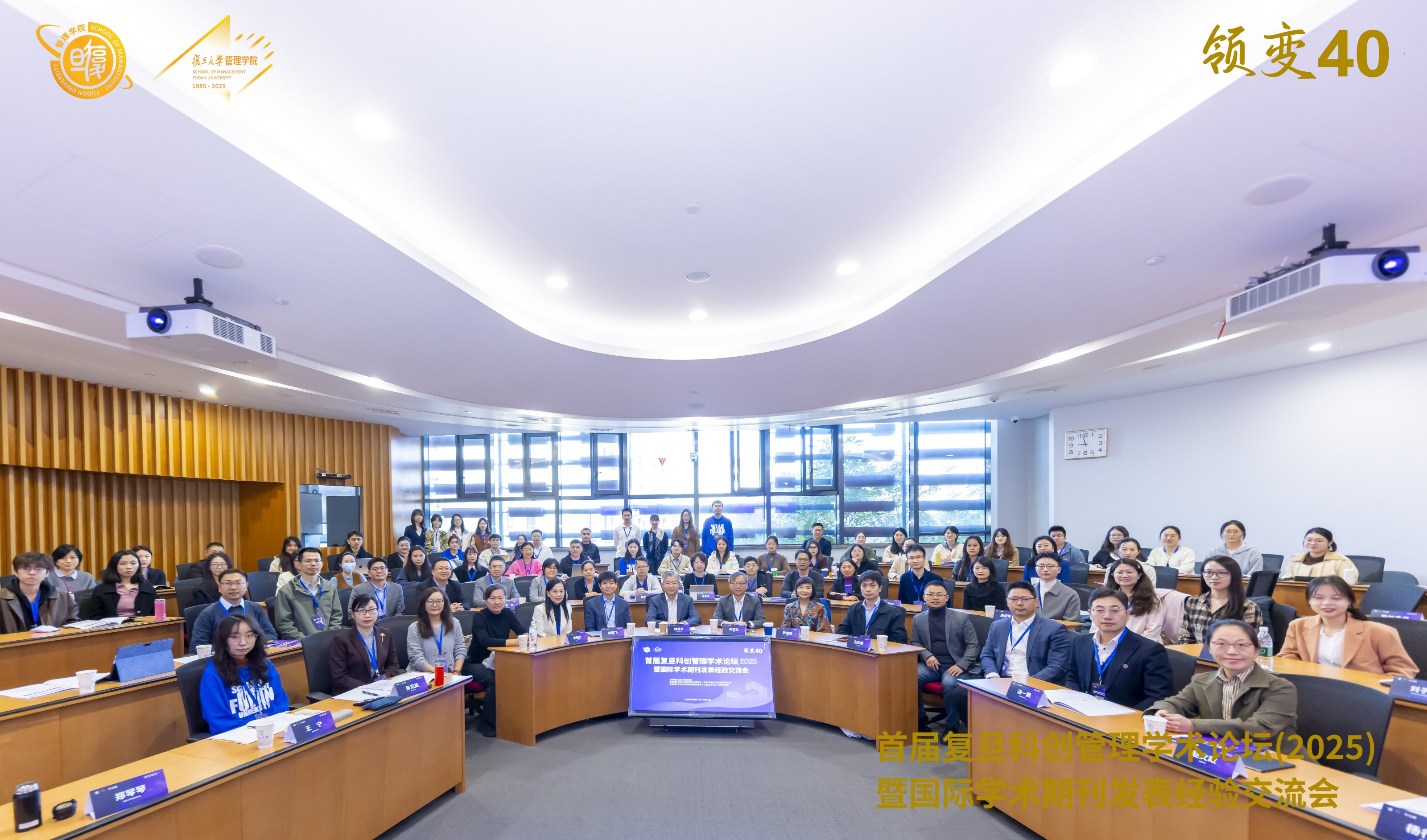
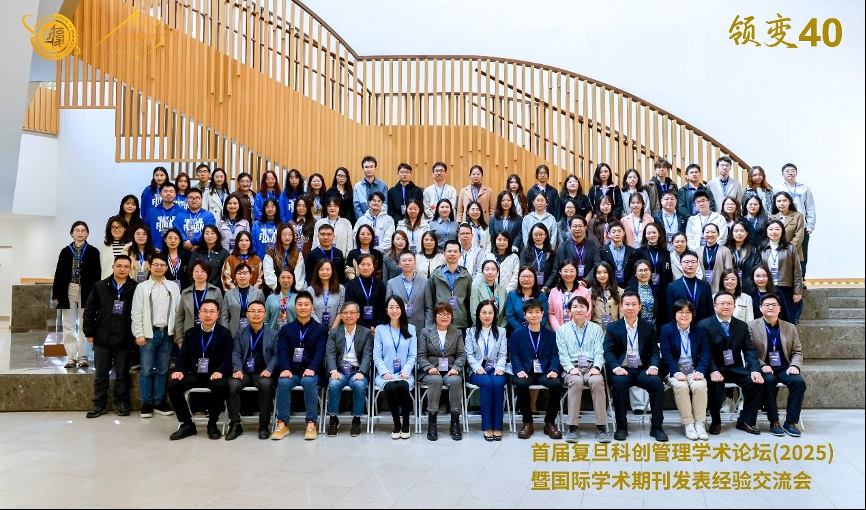
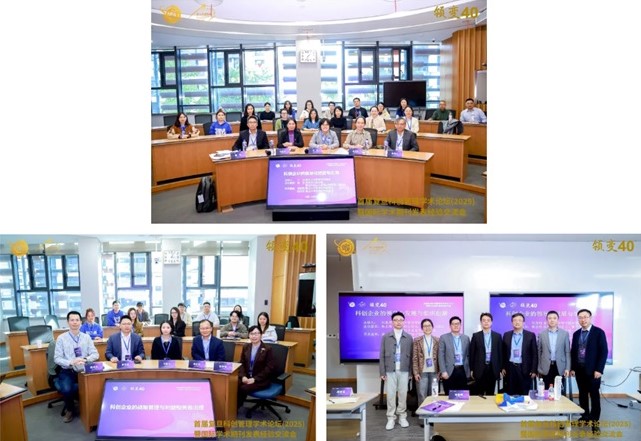
On November 14 - 16, 2025, the Inaugural Fudan Sci-tech Innovation Management Academic Forum (2025) and the International Journal Publication Experience Exchange Conference were grandly held at the Zhengli Campus of School of Management at Fudan University.
The forum was hosted by the School of Management at Fudan University, organized by the Department of Business Administration and the Sci-tech Innovation Management Research Center, and co-organized by the Sci-tech Acceleration Center and the Institute for Human Resource Studies, all affiliated to the School of Management at Fudan University.
With the theme "Theoretical Innovation and Global Dialogue in Sci-tech Innovation Management," the forum brought together editorial board members from nine leading international academic journals, founders and senior executives of innovation-driven enterprises, as well as established scholars and emerging researchers from 45 universities worldwide, including Tsinghua University, Nanjing University, Zhejiang University, Shanghai Jiao Tong University, Tongji University, and Sun Yat-sen University.
More than 130 academic and industry leaders gathered to engage in intensive intellectual exchange.
Opening Remarks
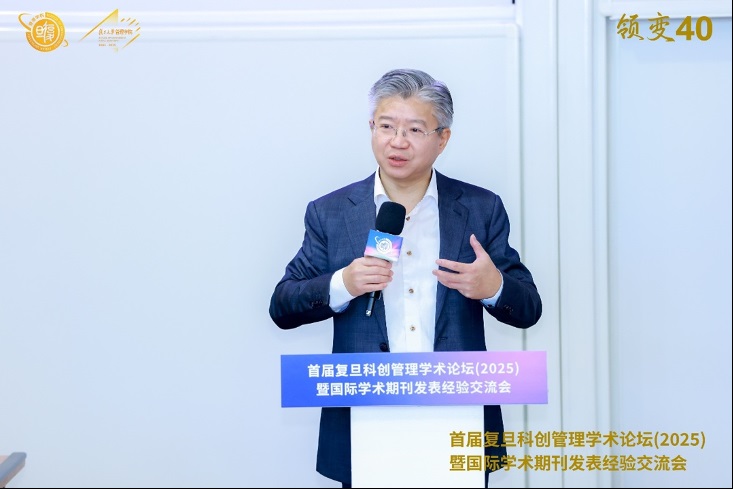
Professor Xiongwen Lu, Dean of the School of Management, delivered the opening address.
He noted that a new wave of global technological revolution and industrial transformation is accelerating, reshaping both science and industry. Leveraging technological accumulation, integration of domestic and international talent, policy support, and sustained academic efforts, China has already achieved world-leading positions in several areas of technological innovation. As a result, China's innovation achievements have increasingly become a focal point of global attention and discussion.
However, he pointed out that both academic research and public discourse often conflate hard-core sci-tech innovation with conventional Internet-based application innovation. The essential distinction lies in the high uncertainty inherent in innovation-driven technological development, which poses a series of new challenges that traditional management theories struggle to address.
Over the past five years, faculty and students of the School of Management have conducted in-depth field research with more than 500 sci-tech enterprises, empowering firms through the Sci-Tech Innovation Entrepreneurs Camp, funding specialized academic research on innovation management, and developing teaching cases on innovation-based enterprises. This three-pronged approach has supported the growth of China's sci-tech companies.
Professor Lu called on more scholars to join this research frontier, contributing Chinese insights to global innovation studies. He emphasized that this is both a critical opportunity for talent cultivation in innovation management and a major avenue for theoretical advancement — a theme that ran throughout the two-day forum.
Day One
On the morning of the first day, the International Journal Editors' Forum brought together editors-in-chief and associate editors from nine leading journals. The session was co-chaired by Professor ZhijunChen and professor Shenghui Ma from the Department of Business Administration.
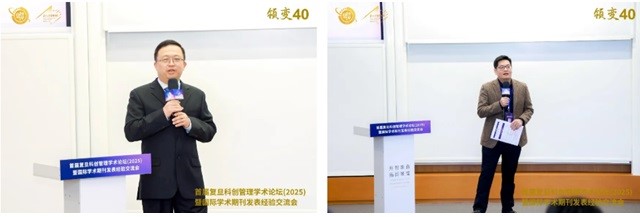
Professor Xiaoping Chen, Editor-in-Chief of Management and Organization Review (MOR) and faculty member at the University of Washington, introduced the mission of MOR, emphasizing its commitment to research grounded in the Chinese context and its goal of building a sustainable scholarly community recognized worldwide.
Professor Jia Hu, Associate Editor of Journal of Applied Psychology (JAP) and faculty member at Tsinghua University, shared insights under the theme "The CARE Mindset in Journal Submission," advocating a dual emphasis on rigor and humanity in peer review.
Professor Wei He, Associate Editor of Human Resource Management (HRM) from Nanjing University, discussed opportunities and challenges in HRM research, highlighting the dual momentum of practice-oriented research and AI-enabled methodologies.
Professor Ning Li, Associate Editor of Organizational Behavior and Human Decision Processes (OBHDP) at Tsinghua University, reflected on common pitfalls in AI-related organizational research and called for deeper investigation into how AI systematically reshapes human behavior and decision-making.
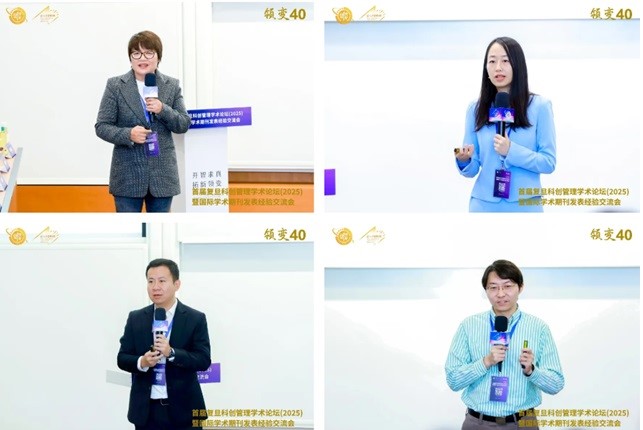
Professor Yanjun Guan, Associate Editor of Journal of Cross-Cultural Psychology (JCCP) from the University of Nottingham-Ningbo, addressed sustainable global research collaboration, emphasizing shared purpose, complementary capabilities, and fairness in collaboration.
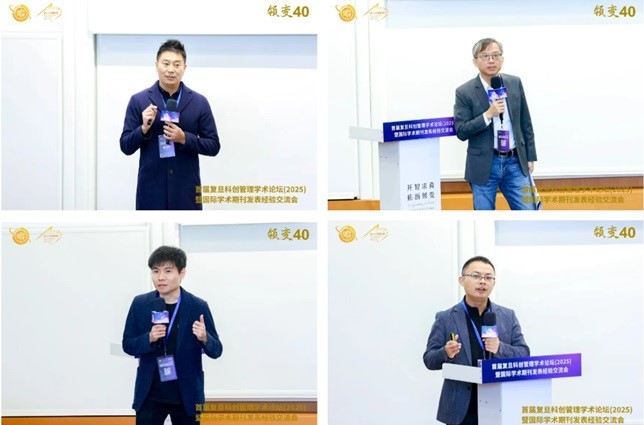
Professor Guoli Chen from INSEAD, Associate Editor of Organization Science (OS), highlighted the journal's preference for rigorous empirical work with strong implications for organizational practice and introduced initiatives to broaden editorial diversity.
Professor Yanfei Zhao, Associate Editor of Strategic Entrepreneurship Journal (SEJ) and faculty member at the University of Oxford Saïd Business School, revisited the journal's mission of bridging strategy and entrepreneurship and stressed that genuine theoretical contribution must be grounded in deep engagement with prior research.
Professor Yipeng Tang, Associate Editor of Journal of Business Research (JBR) from Zhongnan University of Economics and Law, encouraged scholars to treat editors as "anonymous collaborators" and suggested using AI tools to simulate critical editorial review during manuscript development.
The afternoon featured two roundtable discussions titled "From Rejection to Rebirth," focusing respectively on macro and micro research domains, chaired by Professors Tian Wei and Zhijun Chen.
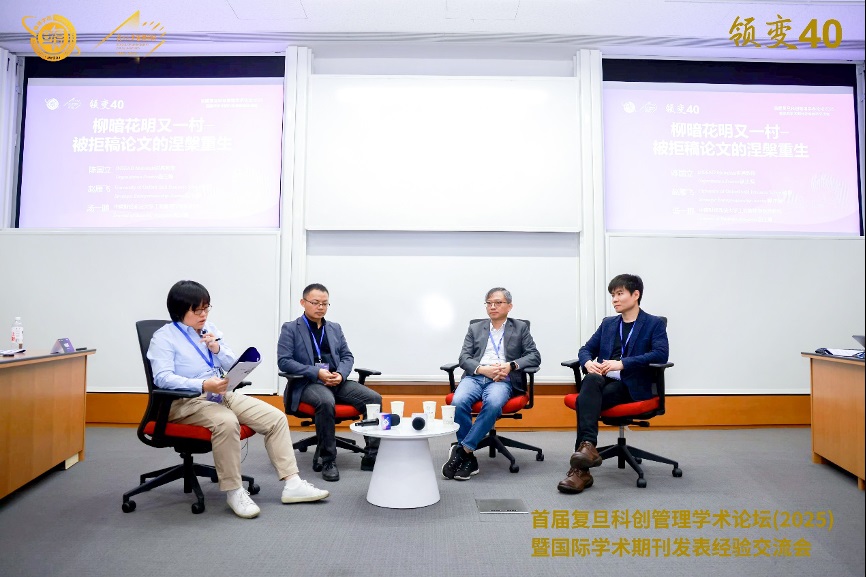
Editors and scholars shared strategies for enhancing theoretical contribution, optimizing research design, and strengthening scholarly dialogue. Emphasis was placed on resilience, sustained effort, and constructive engagement with reviewer feedback.
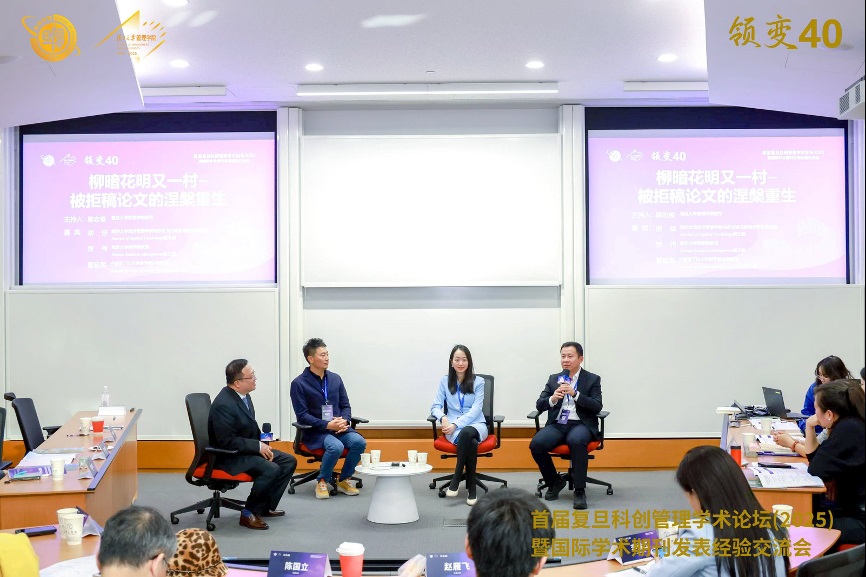
This was followed by three parallel paper development workshops and thematic forums, covering micro-level dynamics in digital-era organizations, innovation under digital transformation and policy volatility, and AI-enabled organizational growth. Seventeen papers were presented and received in-depth feedback from senior scholars.
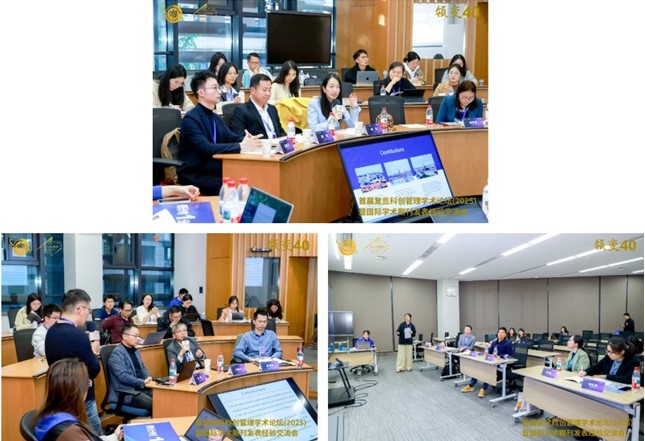
Day Two
The second morning featured the Sci-tech Innovation Enterprise Management Forum, chaired by Professor Xuhong Li and Professor Zheyin Wu.
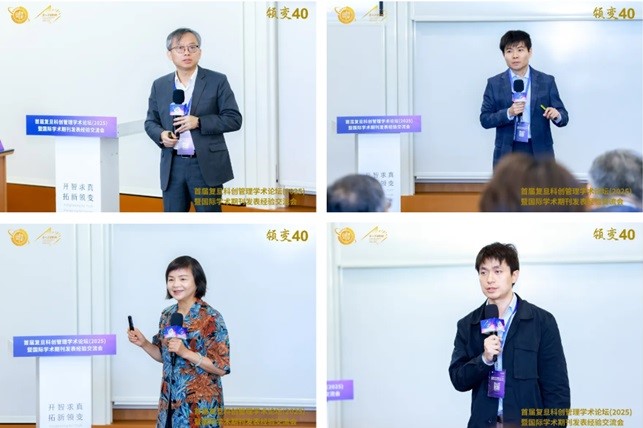
Professor Guoli Chen (INSEAD) discussed AI Venture Labs and industry-university collaboration, introducing the S-curve of technology diffusion and the Gartner Hype Cycle to illustrate the long path from discovery to application.
Professor Yanfei Zhao (University of Oxford Saïd Business School) presented "The Art of Optimal Distinctiveness," drawing on research on China's "Little Giant" firms to highlight the need for dynamic capability orchestration.
Professor Jinlian Luo (Tongji University) analyzed organizational architectures enabling breakthrough innovation, while Professor Xianwei Shi (Shanghai Jiao Tong University) emphasized ecosystem-based strategies in innovation entrepreneurship.
Industry–Academia Dialogue and Workshops
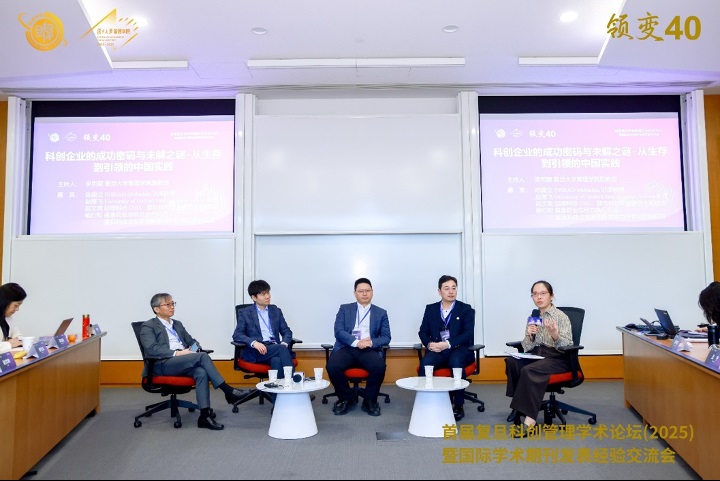
An industry-academia dialogue explored success factors, challenges, and future research directions for innovation-driven firms, followed by three parallel workshops addressing: 1) Internationalization and overseas expansion under geopolitical risk (including long-arm jurisdiction); 2) Strategic management and stakeholder governance; 3) Leadership development and organizational innovation in AI-intensive contexts.
Closing Remarks
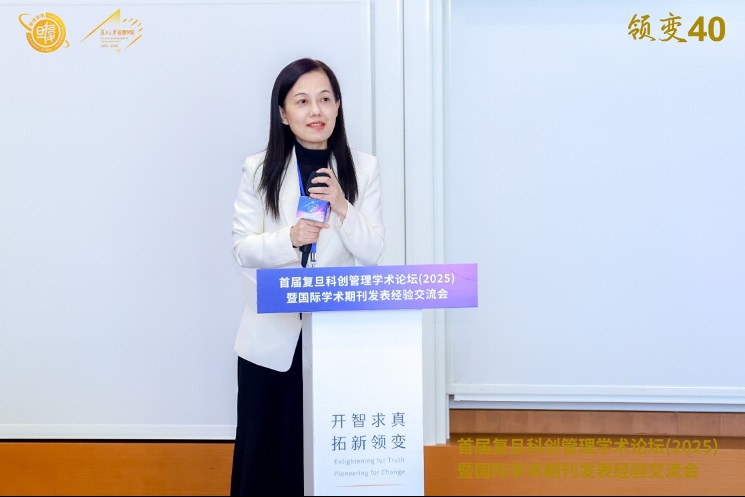
Professor Xuhong Li concluded that innovation-driven enterprises embody three core tensions:
technological innovation vs. market lag, experimentation risk vs. resource constraints, and survival vs. excellence.
She emphasized that research on such firms should integrate universal management theory with context-specific insights, contributing to an autonomous Chinese knowledge system in management studies.
The forum concluded in a vibrant atmosphere of scholarly exchange, reinforcing the School of Management's role as a leading platform for innovation management research and global academic dialogue.