
School Overview
Enlightening for Truth, Pioneering for Change. Since Fudan University launched its business discipline in 1917, the spirit of forging ahead and innovation has been deeply rooted in the genes of School of Management at Fudan University. The School of Business was established in 1929, marked the beginning of modern business education in China. In 1952, amid the national higher education restructuring, business administration education was suspended. Following the reform and opening-up policy in China, Fudan University took the lead in resuming management education, enrolling undergraduates in management-related disciplines in 1977, establishing the Department of Management Science in 1979, and re-establishing the School of Management in 1985. In 2025, the School celebrates the 40th anniversary of its re-establishment. Over a century of journey, rooted firmly in Chinese practices and continuously aligning with international frontiers, School of Management at Fudan University has consistently stood at the forefront of the development of management education in China.

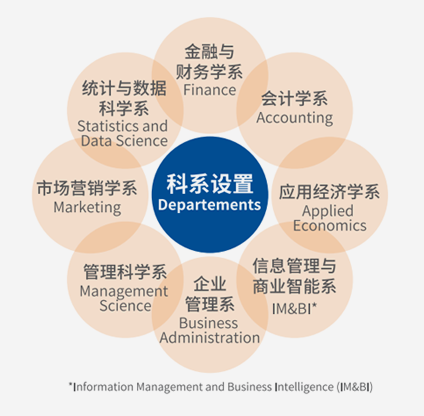
After nearly 40 years of development and growth, the School now comprises 8 departments. It includes 5 first-level disciplinary doctoral programs, 12 second-level disciplinary doctoral programs (including self-established ones), 5 first-level disciplinary master programs, second-level disciplinary master program (including self-established ones), as well as 5 professional master's degree programs—Master of Business Administration (MBA)/Executive Master of Business Administration (EMBA), Master of Professional Accountants (MPAcc), Master of International Business, Master of Finance, and Master of Applied Statistics. Additionally, there are 7 undergraduate programs and 4 postdoctoral research station. In 2018, in the first China University Professional-degree Rankings released by the China Academic Degrees and Graduate Education Development Center, Fudan University was awarded an A+ in the discipline of Business Administration.
With its rigorous academic attitude and favorable learning atmosphere, the School attracts a large number of candidates to pursue advanced studies every year, nurturing batches of management elites. By the end of 2025, the School had approximately 6,000 students enrolled in various programs, including undergraduate programs, doctoral programs, and professional master's degree programs (including MBA, EMBA, etc.). Currently, the number of the School's alumni has exceeded 65,000. The Executive Education Center trains nearly 4,500 participants every year, and has so far organized nearly 72,000 enterprise managers to participate in training programs, serving a total of over 850 enterprises.
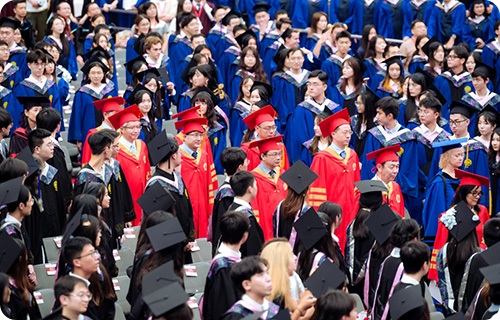
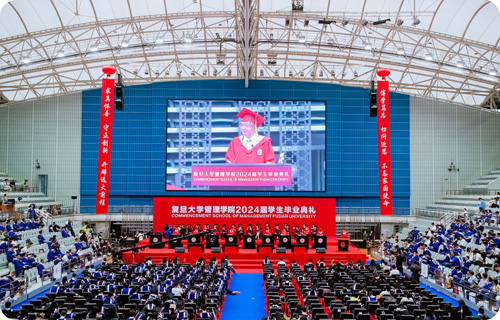
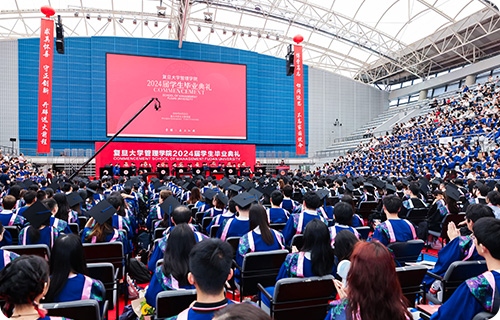
As of the end of October 2025, the School has a total of 167 faculty members, including 62 full professors and 71 associate professors. 98.8% of the faculty hold a doctoral degree, 49% obtained their doctoral degrees from top overseas universities, and over 70% have a STEM background.
Faculty Members
Professors
Associate Professors
Doctoral Degree
The School has fostered a group of outstanding academic leaders, formed more than ten high-quality academic research teams, and accumulated a long list of excellent academic monographs, academic papers and patents. It has not only achieved a world-class mid-tier ranking in the publication of papers in globally recognized top international academic journals such as UTD and FT, but also demonstrated remarkable research competitiveness in the evaluation of National Natural Science Foundation of China (NSFC) projects. In the 2026 UTD Top 100 Business School Research Rankings (2021–2025), the School was ranked 65th globally and has maintained continuous improvement over the past eleven years.

Since its re-establishment, the School has extensively implemented the internationalization strategy of "Going Global and Bringing in Resources", actively expanded international exchanges, and established various forms of exchange and cooperation relations with 116 renowned universities and research institutions from 32 countries and regions, including the United States, Italy, Norway, the United Kingdom, France, Singapore, Australia, South Korea, and Hong Kong. The internationalization strategy has covered all aspects such as student exchange, faculty exchange, scientific research, curriculum design, corporate connections, and international cooperative research.


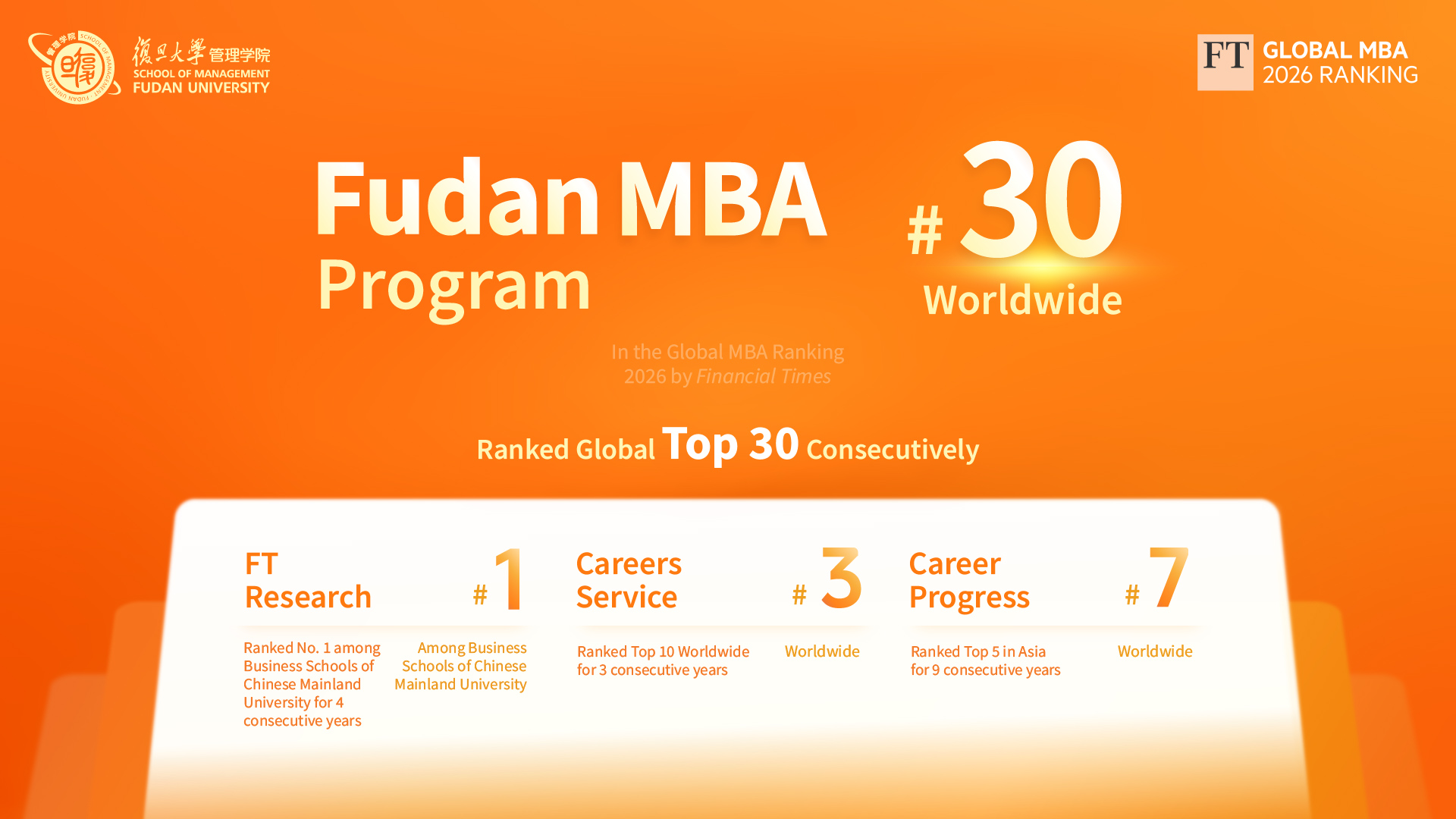
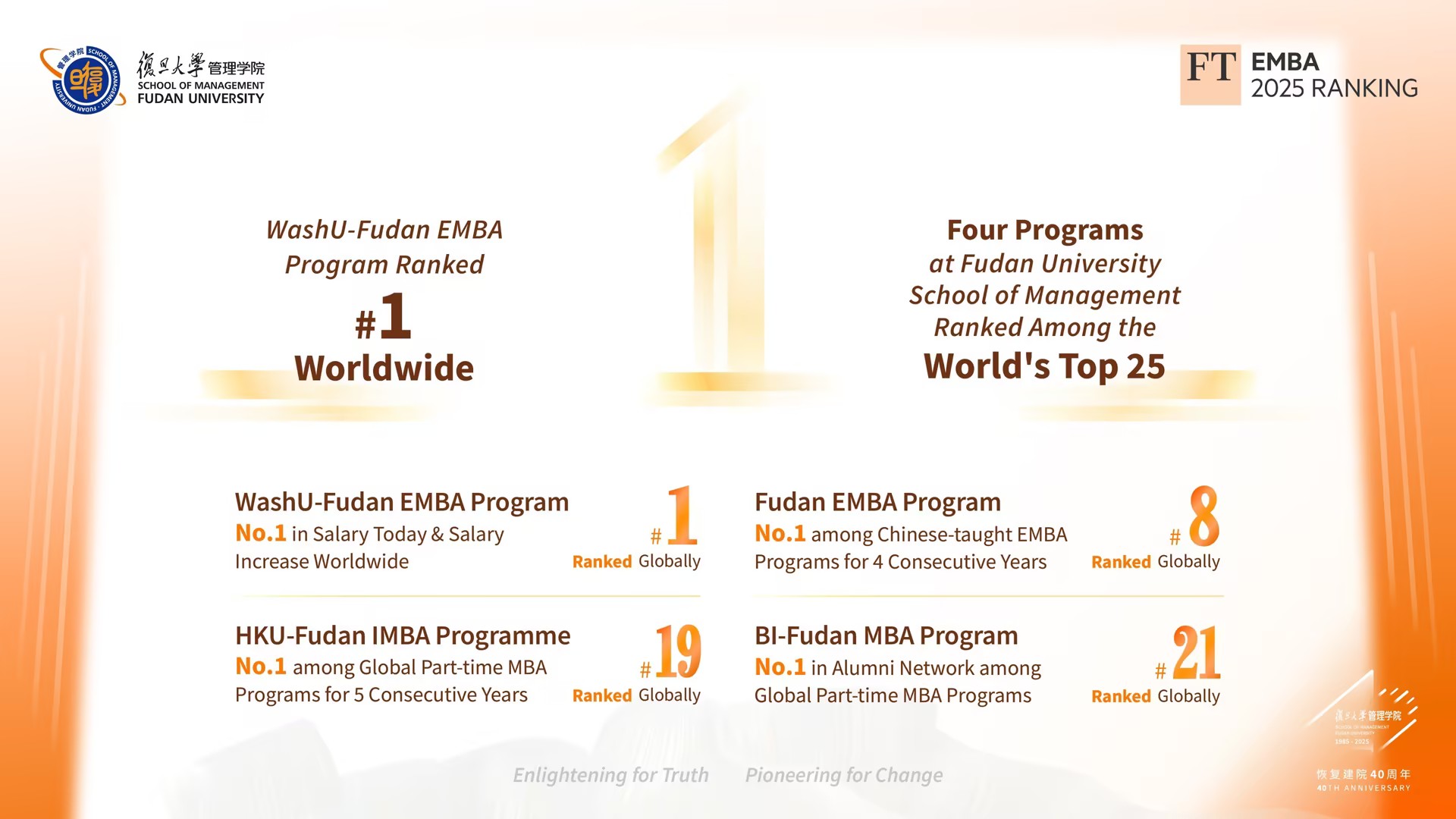
In the Financial Times (FT) Global EMBA Rankings 2025, the School set a new historical record, achieving leading global comprehensive rankings across all programs and multiple dimensions. The Washington University-Fudan University EMBA Program topped the global ranking at No. 1, the Fudan University EMBA Program ranked 8th globally, the The University of Hong Kong-Fudan University IMBA Program ranked in 19th globally, and the BI Norwegian Business School-Fudan University MBA Program ranked in the 21st globally. All four participating programs entered the global Top 25, making the School the only business school worldwide with four programs in the global Top 25. Meanwhile, in the FT Global MBA Rankings 2026, the Fudan University MBA Program ranked 30th globally.
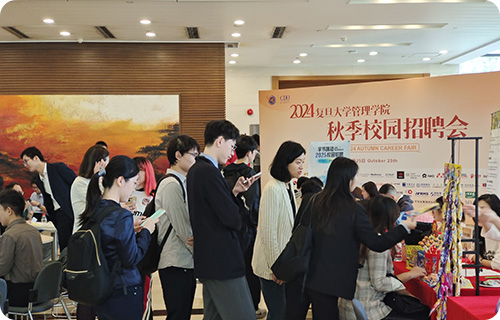
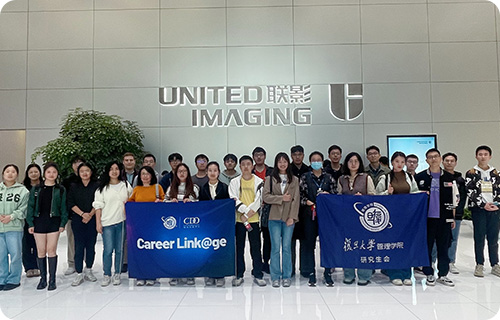
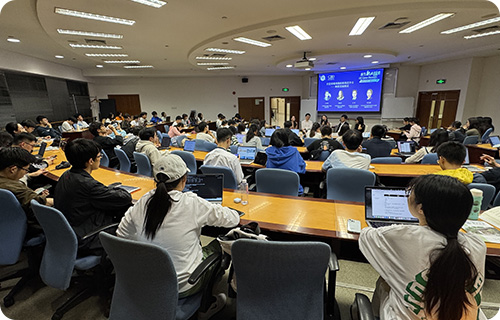
The School has always integrated cooperation with enterprises into every link of talent cultivation and institutional development to better give back to and serve society. Enterprises participate in students' professional interest groups and build career information platforms through campus presentations, job fairs, practical courses, internship bases, iLab, D-Lab, and other forms, showcasing their brands and cultures while recruiting talents. The School has launched various forums and lectures such as the Fudan SVB Forum of Management Masters, Master Forum, Join Forum, and JUJIN Forum, which have become bridges for school-enterprise cooperation. Additionally, the School has established a dedicated team to manage school-enterprise cooperative relationships in an efficient and orderly manner across all aspects. A large number of renowned enterprises at home and abroad have carried out various forms of cooperation with the School, including enterprise visits, student internships, forum collaborations, targeted talent training, case studies, industry-academia-research cooperation, and financial and material donations. These efforts continuously strengthen interactions and exchanges between the industry and academia, supporting the School's development.
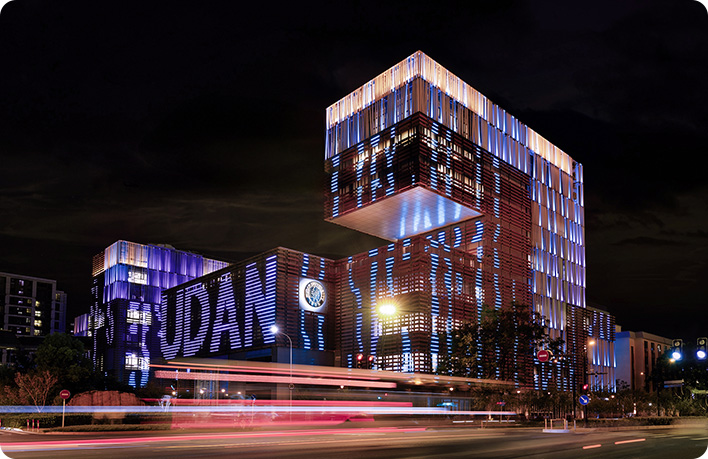
Officially inaugurated in 2024, the Zhengli Campus adheres to the core philosophy of "A New Fountainhead of Thought, A New Beacon of Culture, A New Ecology of Community, A New Landmark of Architecture, and A New Horizon of Education", successfully practicing the "Trinity Linkage" of university campus, science and technology park, and public community. It is not only an intelligent educational building and open innovation space, but also a high ground for management education and a vital stage for global collaboration, laying a solid spatial foundation for the school's ambition to build a world-class business school.
Standing at the new starting point of its 40th anniversary since re-establishment, the Fudan University School of Management is embracing broader horizons and steadfast conviction – rooted in China's dynamic management practices, contributing to the advancement of global business civilization, dedicated to cultivating leaders who can guide Chinese industries onto the world stage and drive shared global growth – and steadily advancing toward a world-class business school leading the era of scientific and technological innovation.
