
2025 Fudan International Symposium on AI in Finance Held at the Zhengli Campus
On November 8, 2025 Fudan International Symposium on AI in Finance was held at the Zhengli Campus of School of Management at Fudan University. The conference aimed to explore cutting-edge topics in the application of artificial intelligence within financial academic research, attracting over 140 renowned scholars and financial practitioners from prestigious universities across China, the United States, the United Kingdom, Germany, and other countries. The symposium was organized by the Department of Finance and Accounting of School of Management at Fudan University.
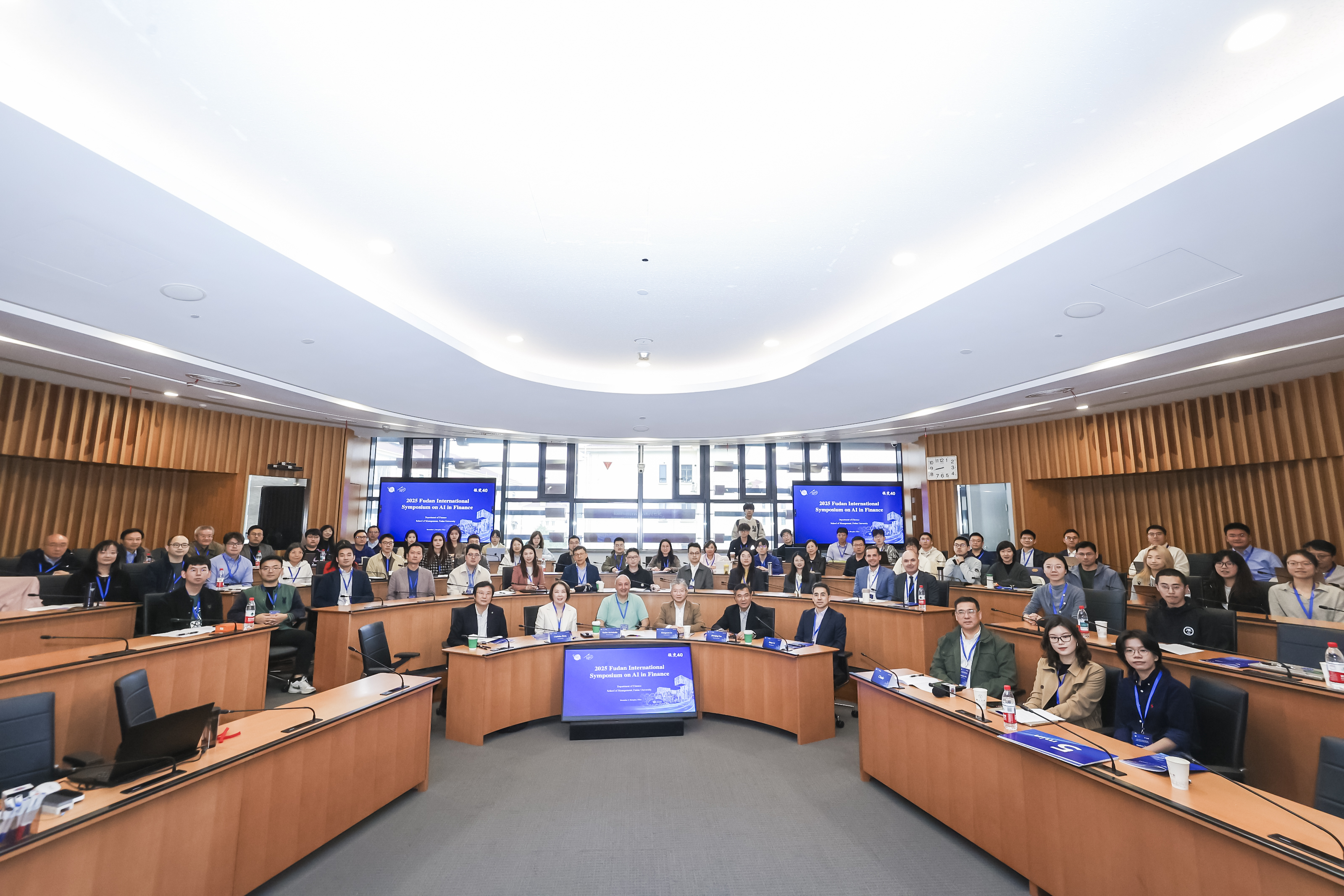
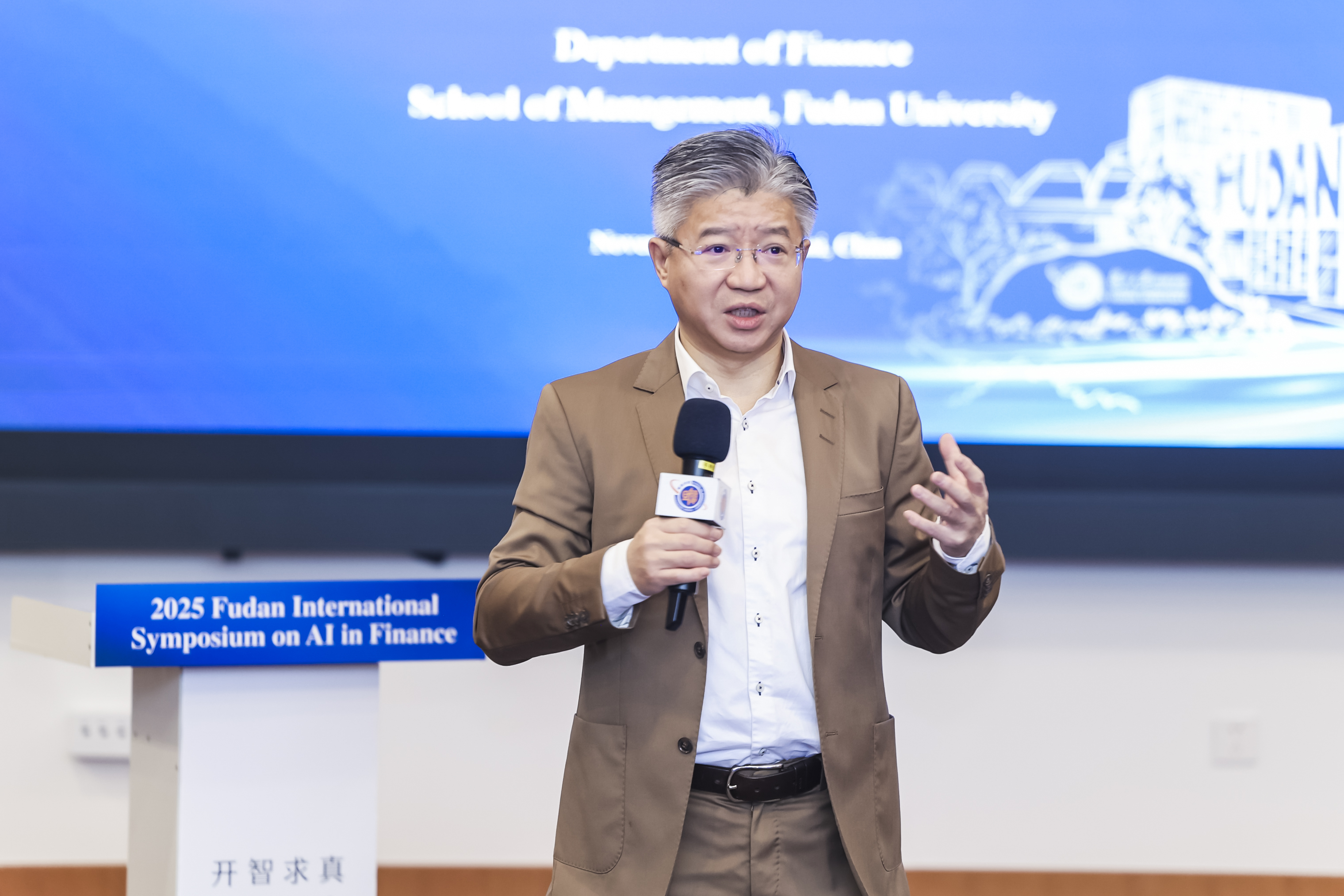
Xiongwen Lu, Dean of School of Management at Fudan University, delivered the opening address, extending a warm welcome to distinguished scholars and researchers from around the world. He noted that artificial intelligence has evolved beyond a powerful computational tool into an intellectual force profoundly reshaping how financial markets understand, make decisions, and measure risk, compelling scholars to reexamine fundamental questions in economics and finance from fresh perspectives. Dean Lu emphasized the growing trend of integrating AI tools into teaching and research, stressing the need for flexibility in applying AI within financial disciplines and industry. He also highlighted AI's potential to create a brighter future in finance and other fields.
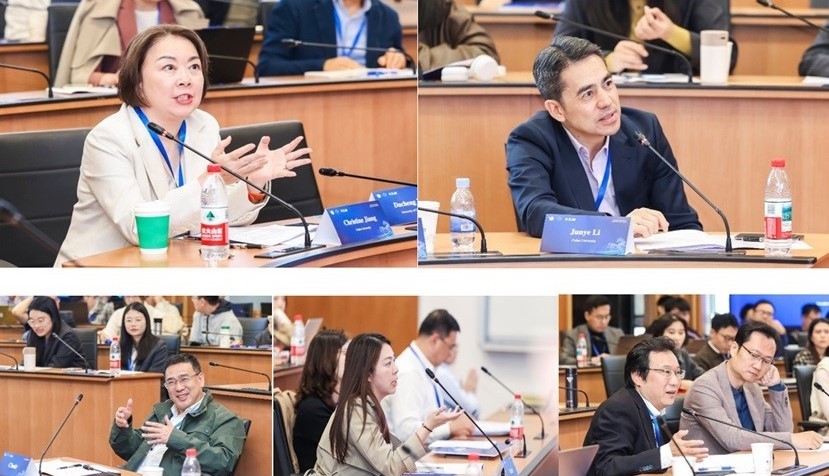
The symposium was chaired by Professor Junye Li, Li Dasan Chair Professor in the Department of Finance and Accounting, School of Management at Fudan University. The event featured three keynote speeches and six academic presentations. Professor Xiaohong Jiang, Head of the Department of Finance and Accounting, Fudan University School of Management, and Professor Junye Li co-chaired the keynote sessions, while Professor Chenghu Ma, Professor Xintong Zhan, and Associate Professor Qi Zhu chaired the academic presentation sessions.
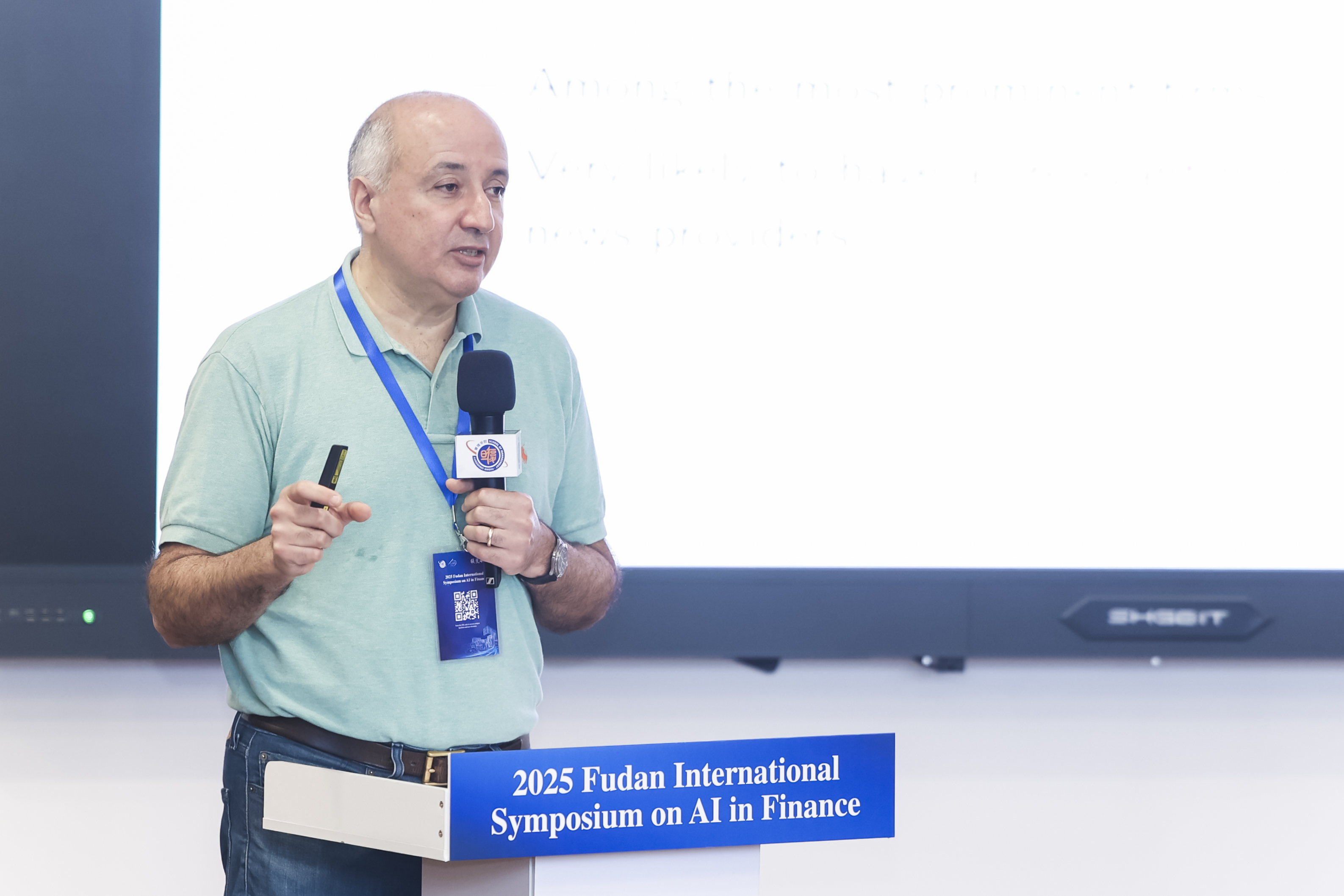
Keynote speeches were delivered by Professor Yacine Ait-Sahalia from Princeton University, Professor Jianqing Fan, and Professor Dacheng Xiu from the University of Chicago. In his presentation titled "So Many Jumps, So Little News," Professor Yacine Ait-Sahalia noted that relevant corporate or macroeconomic news often triggers rapid stock price jumps, yet many price jumps occur without news catalysts. These non-news jumps are primarily driven by market microstructure and can also produce lasting price effects. Based on these findings, he emphasized that markets do not always exhibit idealized liquidity and stability, calling for greater attention to enhancing stock market efficiency.
Professor Jianqing Fan of Princeton University delivered a keynote speech titled "Measuring Misinformation in Financial Markets." Professor Fan introduced a framework for quantifying company-level misinformation using artificial intelligence technologies such as large language models. This framework revealed the driving forces behind misinformation and its impact on investor behavior, future stock price performance, and risk. He urged investors, regulators, and companies to pay attention to the role of misinformation.
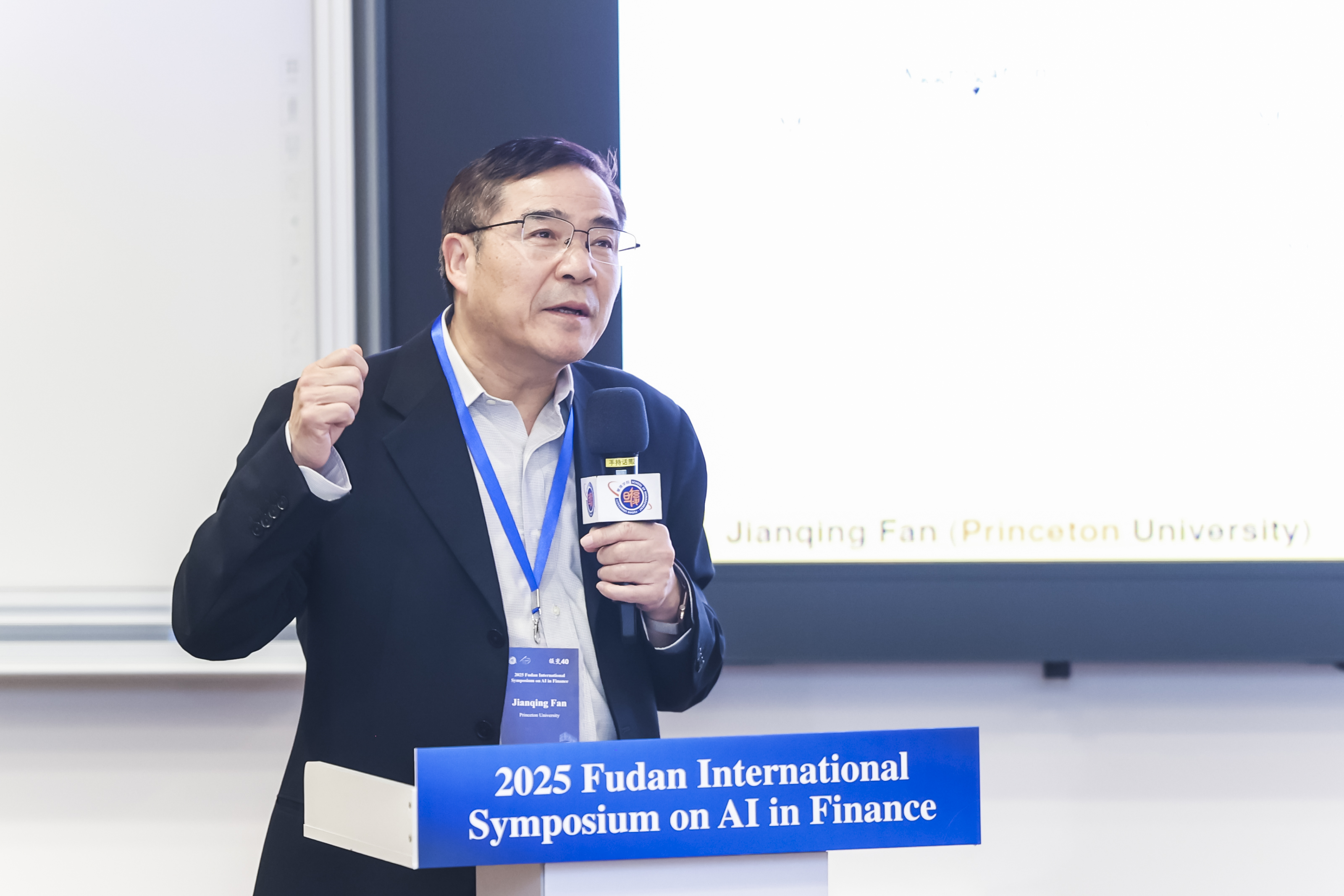
Professor Da-Cheng Xiu from the University of Chicago delivered a keynote speech titled "Machine Learning in Asset Pricing: Myths, Missteps, Criticisms, and Real Limits." In his presentation, he systematically outlined how machine learning is applied in asset pricing, addressed common misconceptions and criticisms surrounding its use, and articulated the proper direction for integrating machine learning with asset pricing. Professor Xiu addressed key aspects, including the interpretability of machine learning methods, the profitability of strategies, improvements over traditional approaches, robustness, economic significance, and future challenges. He emphasized that while machine learning is not a panacea, it represents a transformative tool for modern financial economics. By integrating the prior knowledge provided by machine learning with insights from economists, core issues in financial economics can be explored with unprecedented depth and breadth.
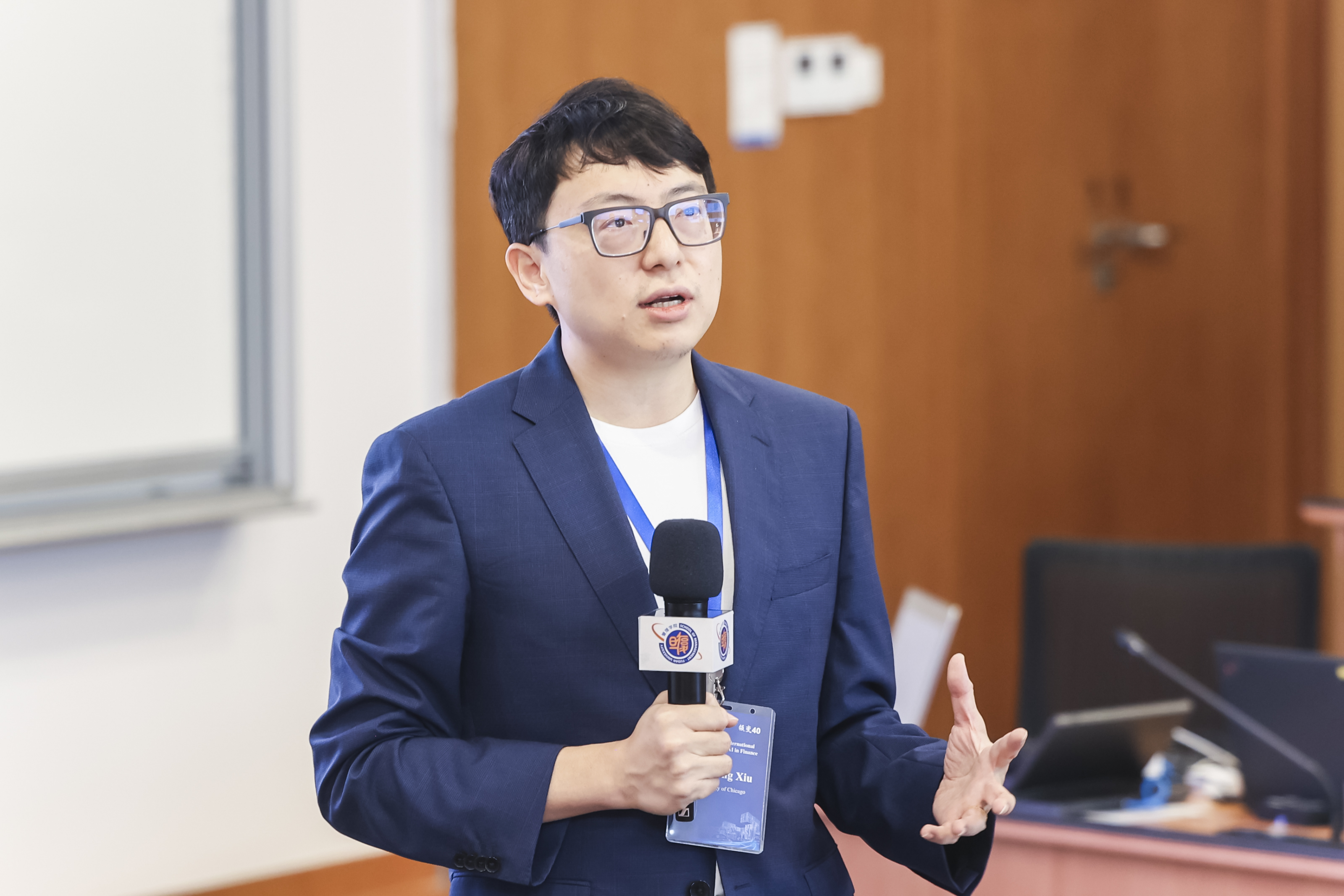
The academic presentation session featured six high-quality research studies. Professor Lars Hornuf from Dresden University of Technology delivered a presentation titled "Making GenAI Smarter: Evidence from a Portfolio Allocation Experiment." He examined whether and how domain-specific information influences the performance of large language models in financial portfolio allocation tasks, noting that providing such information helps these models deliver more practical investment advice. Quantitative information proved more effective than qualitative information in enhancing model performance. Mo Wang from Shanghai University of Finance and Economics provided commentary on stock selection, sentiment indicator construction, and comparative analyses of different large language models.
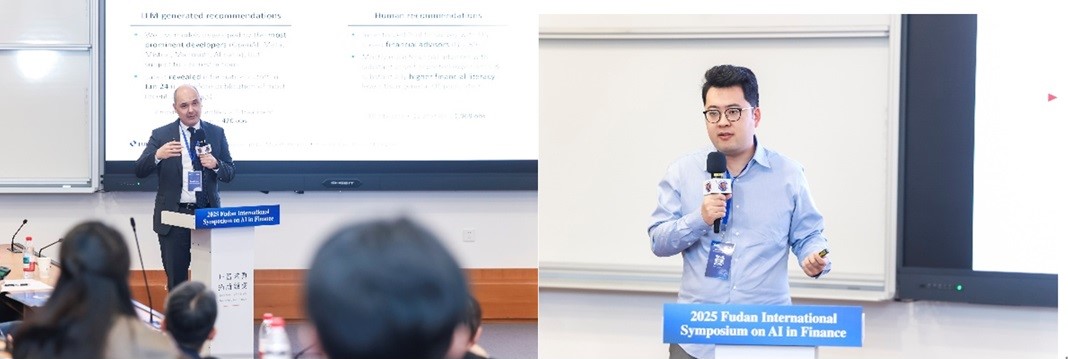
Xingjian Zheng from Shanghai Jiao Tong University delivered a presentation titled "Memory and Generative AI." He introduced a study finding that the "memory" of generative AI (such as ChatGPT) influences their risk preferences, thereby altering their financial decision-making. This discovery sheds light on the underlying mechanisms of AI decision-making. Jiangyuan Li from Shanghai University of Finance and Economics provided commentary from perspectives including model robustness, research design, and bias of algorithms.
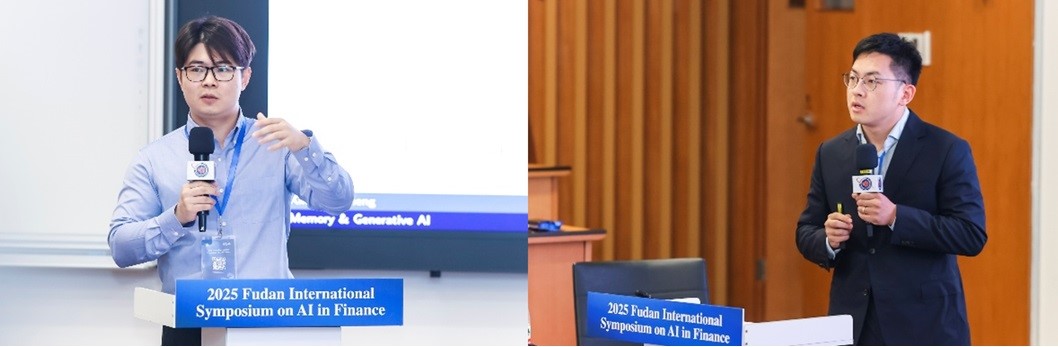
Yuantao Shi from the University of Oxford delivered an academic presentation titled "The Limited Virtue of Complexity in a Noisy World." The presentation primarily explored whether the advantages of model complexity are limited in financial forecasting models subject to noise, offering insights for investors' predictions and decision-making from the perspectives of model complexity and noise. Jingyu He from City University of Hong Kong provided commentary from the angles of error measurement, different properties of noise, and autoencoder-based denoising.
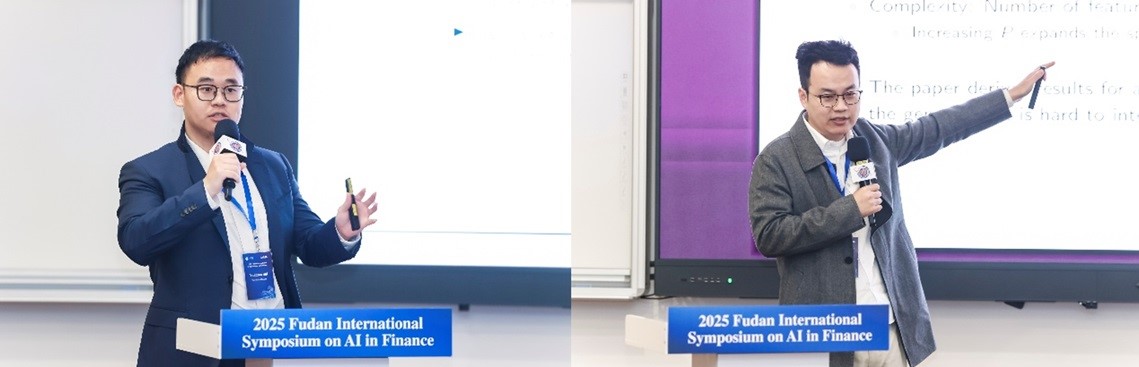
Wei Jiang from the Hong Kong University of Science and Technology delivered an academic presentation titled "The Economics of Bitcoin Mining: From Hotelling to Nakamoto." He proposed a dynamic theory regarding the supply behavior of Bitcoin mining and explored the applicability of Hotelling's rule to this issue. Yuecheng Jia from the Central University of Finance and Economics provided commentary from multiple perspectives, including jump risk identification in simplified models, the role of electricity prices, and model design.
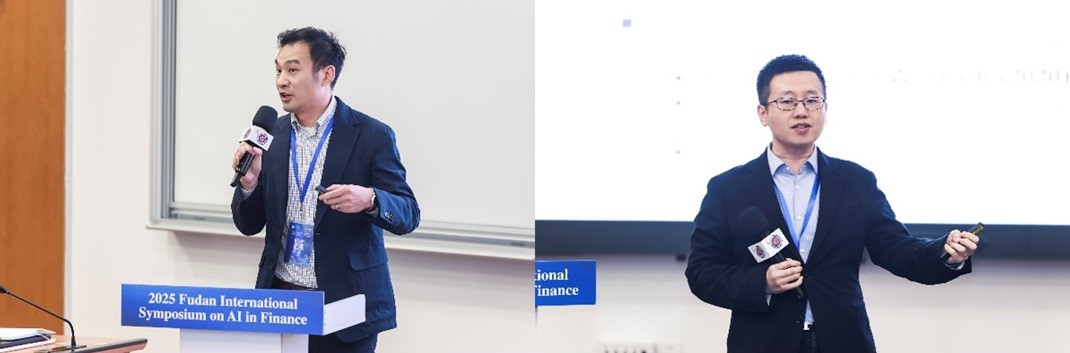
Xin He from the University of Science and Technology of China delivered an academic presentation titled "Stochastic Discount Factors with Cross-Asset Spillovers." He proposed a systematic investment framework incorporating multiple signals and cross-asset spillover effects, with a focus on cross-asset forecasting. The strategy demonstrated robust performance and economic interpretability. Sicong Li from The Chinese University of Hong Kong provided commentary from perspectives, including model assumptions and estimation stability.
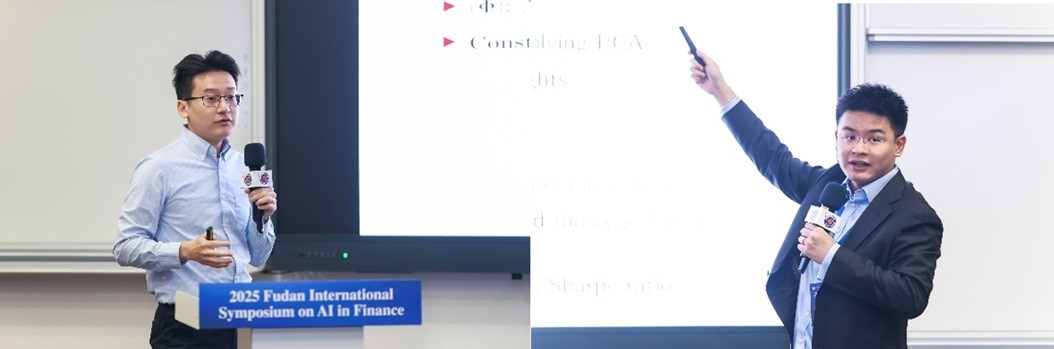
Gavin Feng from City University of Hong Kong delivered an academic presentation titled "Asset Heterogeneity and Uncommon Factors." He proposed a research framework capable of simultaneously addressing asset clustering and factor selection, while also providing insights into the economic implications of clustering as well as its implications for investment and predictive performance. Xiaoliang Wang from the Hong Kong University of Science and Technology offered commentary on the presentation, covering aspects such as the definitions of clustering and nonlinearity, heterogeneity, and research implications.
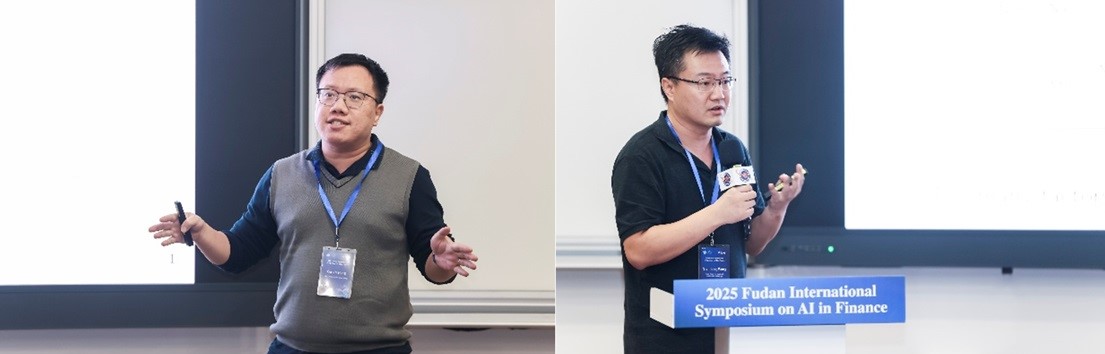
Finally, the organizing committee extends its sincere gratitude to all experts and scholars who actively participated in the conference and contributed valuable insights. The conference concluded amid warm applause.
