Charting a New Blueprint for Green Transformation:
The Second Anniversary Forum of the "Climate Lighthouse" Alliance Held at Fudan SoM
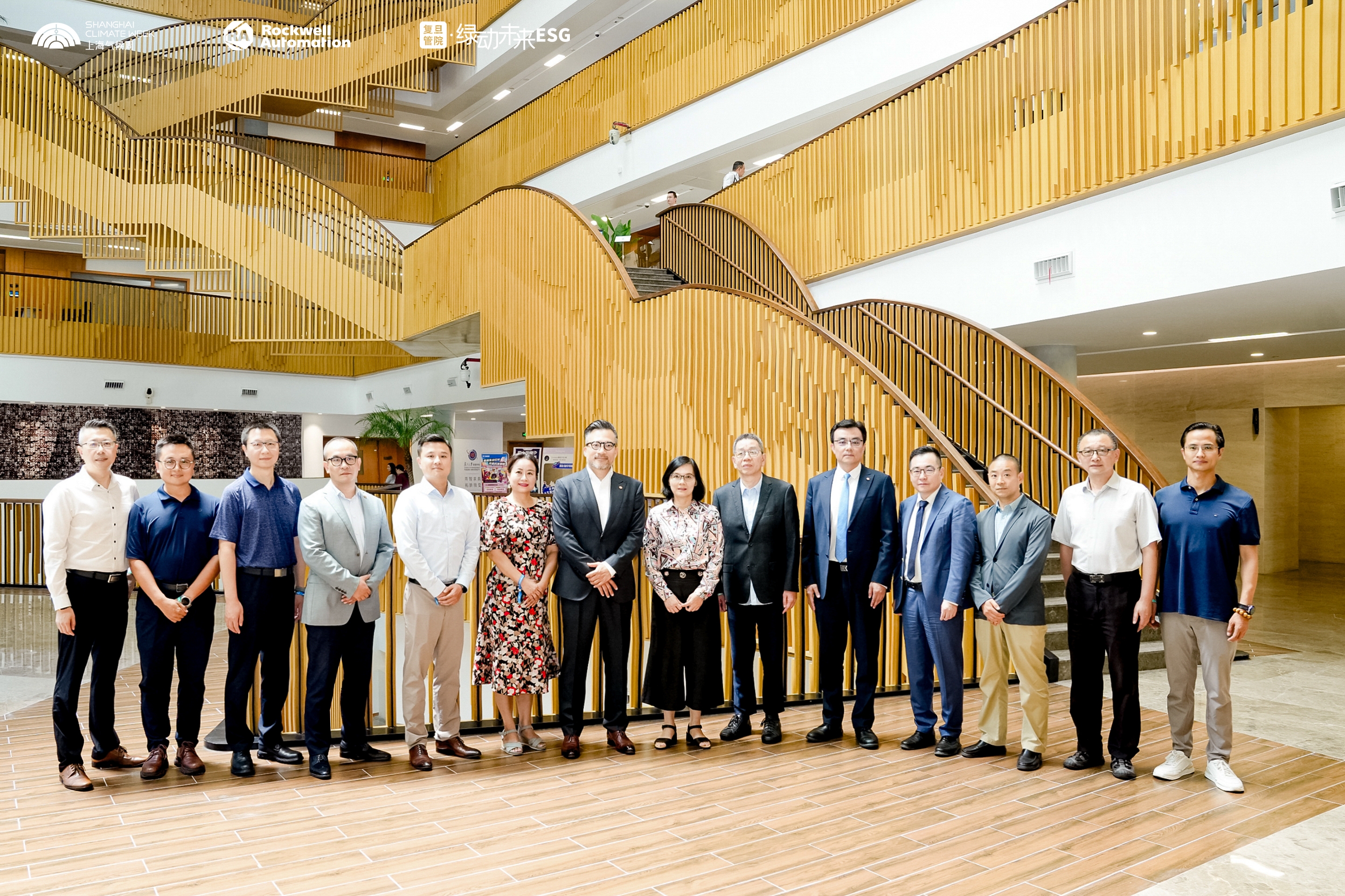
On July 3, the "Climate Lighthouse at School of Management at Fudan University" Forum, jointly organized by School of Management at Fudan University, Shanghai Climate Week, and Rockwell Automation, was held at the Zhengli Campus of the School. The forum brought together over one hundred experts and representatives from academia, industry, and social organizations to explore innovative pathways and future directions for green transformation.
From Vision to Practice: "Climate Lighthouse" Illuminates the Path Toward Sustainable Development
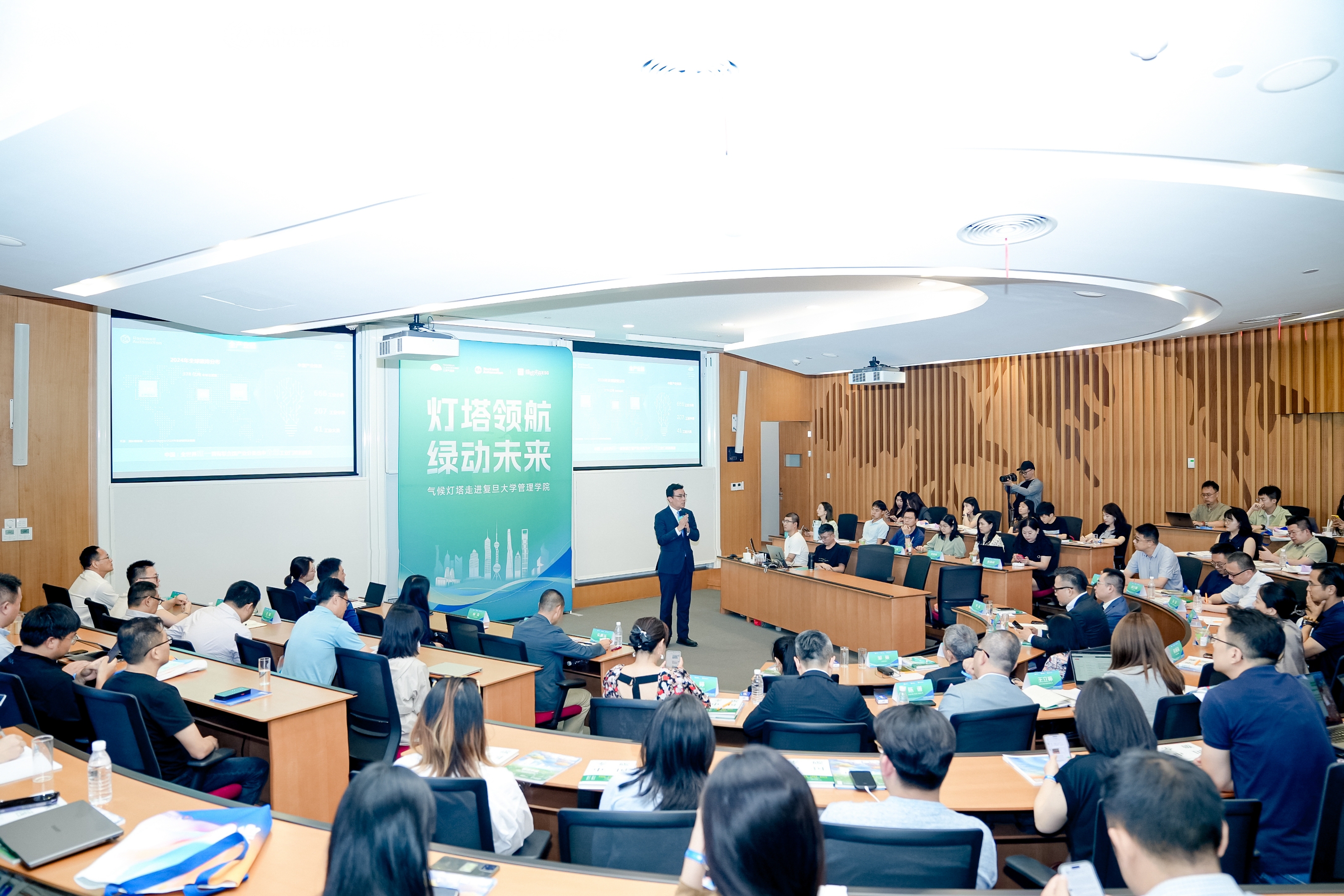
At the opening of the forum, Professor Ming Zheng, Associate Dean of School of Management at Fudan University, reviewed the School's four decades of development and highlighted its role two years ago as the academic originator of the "Climate Lighthouse" concept. She noted that, as one of the first business schools in China to advocate sustainable development, the School has deeply integrated green and low-carbon principles into teaching, research, and social engagement. Through building interdisciplinary collaborative platforms, offering frontier-oriented curricula, and advancing green campus practices, the School is committed to cultivating business leaders with global perspectives and a strong sense of social responsibility, and to continuously supporting enterprises and society in their green transition.
Mr. An Shi, President of Rockwell Automation (China) Co., Ltd., reflected on the project's inception, noting that the "Climate Lighthouse" concept conceived at School of Management at Fudan University two years ago has since evolved into a symbol of green transformation with global influence. He revealed that the alliance aims to reach 10 percent of leading enterprises across 666 industrial sub-sectors and to promote end-to-end value chain integration. He emphasized that while carbon neutrality is important, industrial sustainability is equally critical, observing that "green initiatives without market demand are ultimately unsustainable."
Cross-Sector Dialogue: Addressing Practical Challenges of Green Transformation
During the keynote session, Mr. Dong Li, Director of the Intelligent Manufacturing Innovation Research Institute at Rockwell Automation (China) Co., Ltd., emphasized that green transformation is not a moral issue but a matter of concrete industrial upgrading. Using the recycling and utilization of waste cooking oil as an example, he illustrated how technological innovation can achieve both emissions reduction and economic returns. He stressed that the "Climate Lighthouse" represents a starting point rather than an endpoint, as efforts are underway to evolve from a single lighthouse into a constellation, forming a Chinese green industrial network with international influence that is practical, replicable, and scalable.
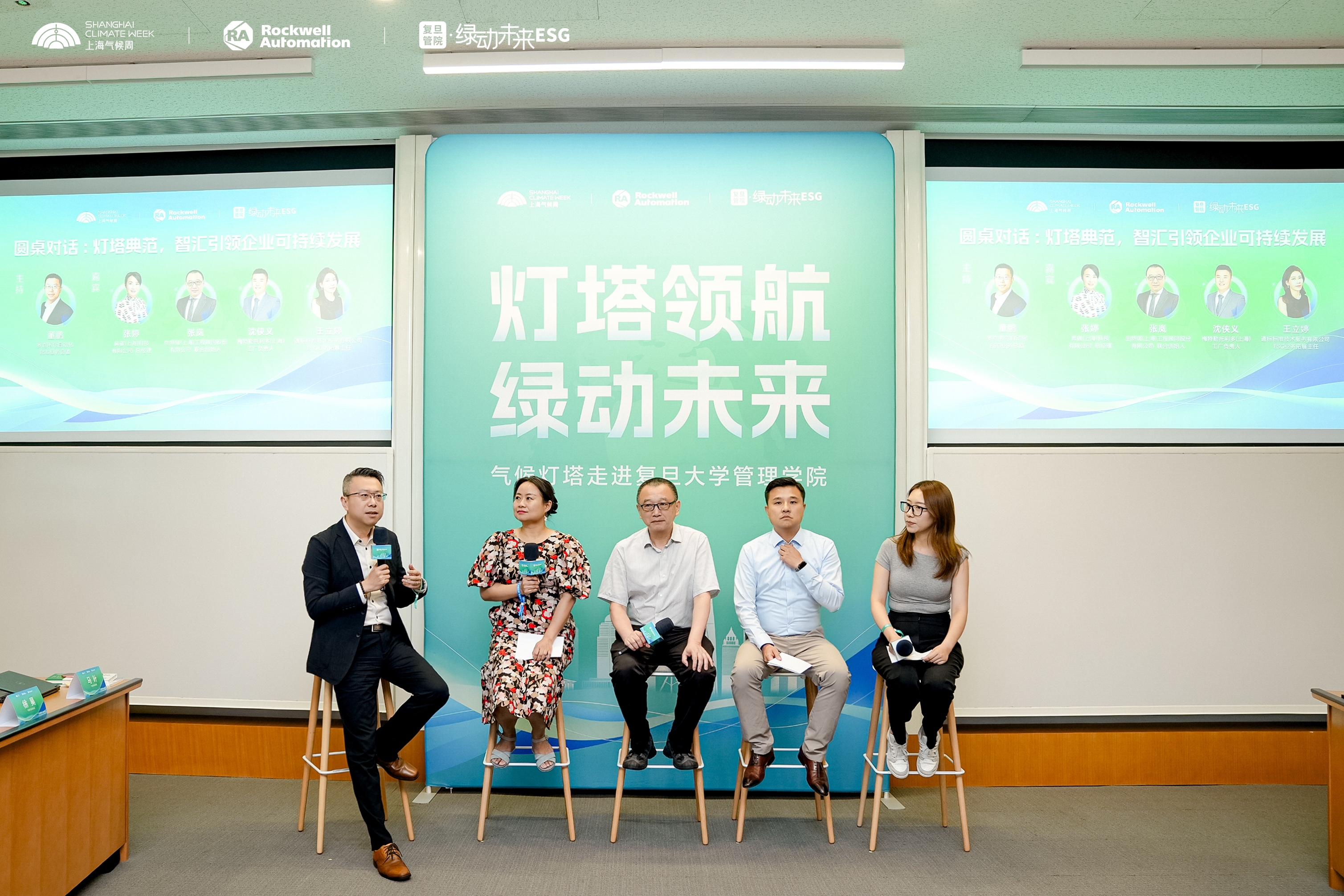
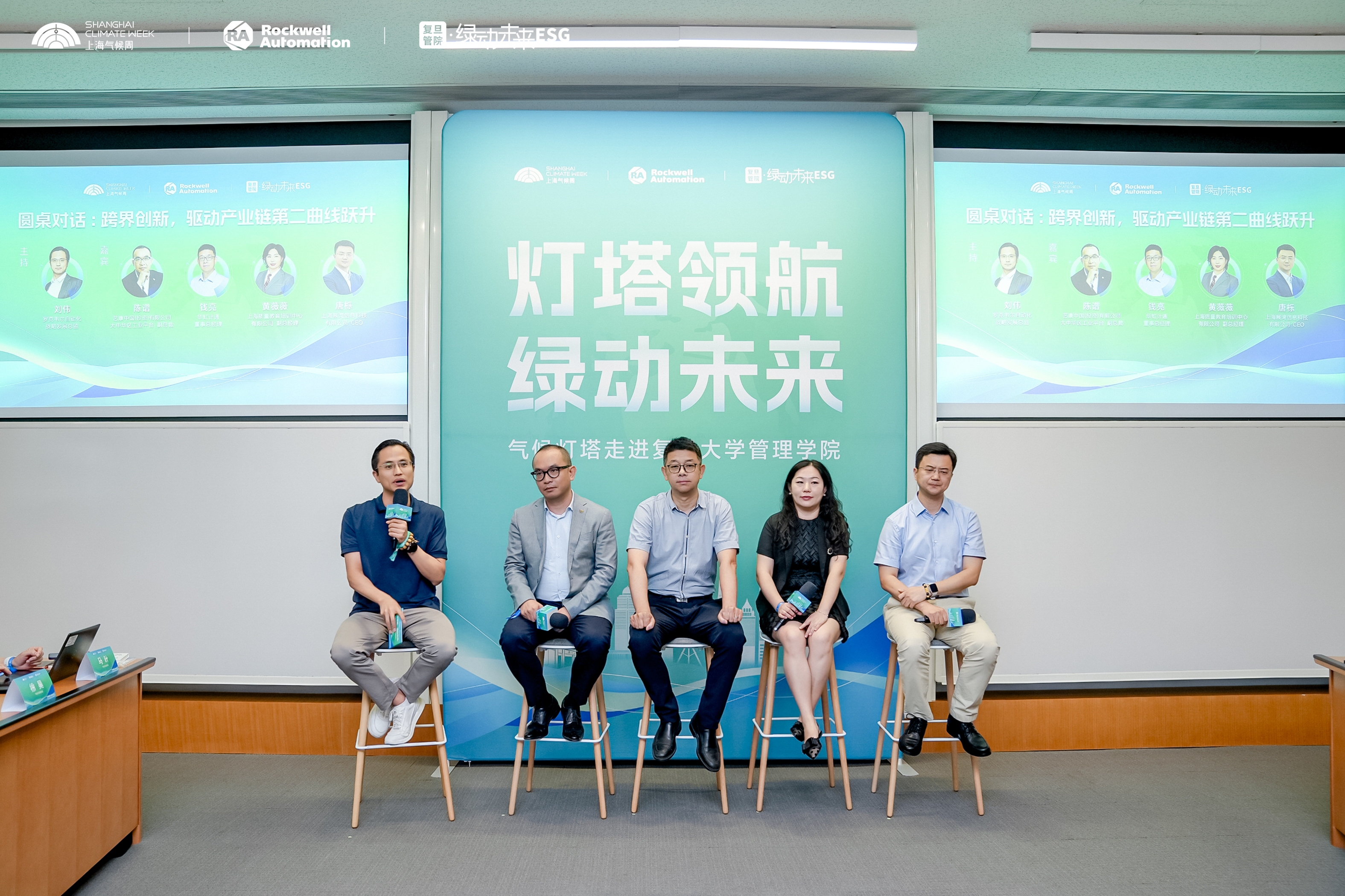
In the roundtable discussion, business leaders shared their experiences and reflections on green transformation. Mr. Lan Zhang, Co-founder of Century 3 (Shanghai) Inc., pointed out that many effective green technologies are excluded during tendering processes due to lowest-price bidding mechanisms. He argued that institutional constraints have become a key bottleneck and called for demonstration projects to transform green solutions from optional to mandatory choices.
Mr. Xiayi Shen, Head of the Mettler Toledo (Shanghai) factory and an alumnus of the Fudan EMBA Program, noted that a long-term perspective is essential, as green transformation ultimately delivers tangible returns in employee well-being, product quality, corporate reputation, and customer trust.
Mr. Liang Qian, Managing Director of Huahong Jitong, observed that established enterprises are most constrained by path dependence. He emphasized that, in saturated traditional markets, green transformation and digitalization should be viewed as two sides of the same coin, with ecosystem collaboration serving as the key to breakthroughs.
The transformation wave has also generated new talent demands. Ms. Weiwei Huang, Deputy Director of the Shanghai Quality Training Center, observed the emergence of new occupations such as carbon emissions managers and AI trainers. She stressed the need to connect the full chain of industry-education integration, noting that future training should function as a forward position for industrial upgrading rather than merely knowledge transmission.
At the technological application level, Mr. Li Tang, CEO of Zhanwan Technologies, shared innovative practices in developing large-model-based digital assistants that enable business leaders to obtain decision support through natural language queries. This shift from product delivery to problem-solving, he noted, lies at the core of digital transformation.
Ms. Ting Zhang, General Manager of Shengtan (Shanghai) Technology Co., Ltd., emphasized that carbon management has become a critical element of competitiveness as mandatory emissions reduction expands, making digital carbon management tools a necessity for enterprises.
Ms. Liting Wang, Director of ESG Business Development at SGS, added that while many companies are willing to pursue green transformation, they often lack the necessary capabilities and resources, underscoring the importance of comprehensive support systems.
Mr. Pu Chen, Vice President of the Greater China Industrial Platform at Ecolab (China) Investment Co., Ltd., illustrated how digital solutions can support sustainability through improved water resource management, noting that equipment upgrades and platform development have significantly enhanced water-use efficiency. These cases collectively demonstrate that green transformation is not only an environmental imperative but also a strategic pathway for enhancing corporate competitiveness.
A Global Perspective: Chinese Solutions on the World Stage
Mr. Rong Zou, Co-chair of the Executive Committee of Shanghai Climate Week, outlined the global expansion of the "Climate Lighthouse" initiative, emphasizing that it is evolving from a concept into a tangible, assessable, and actionable green tool for manufacturing. Through co-creation with global partners, the initiative is expanding from Shanghai to the national level and attracting international attention as a representation of Chinese wisdom in green manufacturing and a growing global consensus.
Mr. Neng Cao, Director of the Fudan MBA Program, noted that the program not only maintains a leading position in global rankings but also advances in responsibility education, action learning, and green transformation. In ESG education, he highlighted that the program was among the earliest in China to make ESG a compulsory MBA course and continues to support enterprises in solving real-world challenges through platforms such as the iLab Business Challenge, enabling students to translate knowledge into practical solutions.
At the forum, Mr. Pengyang Zhu, Executive Director of the Strategy and Design Center of Shanghai Climate Week, presented an analysis of the "Climate Lighthouse" General Evaluation Framework. Participants widely agreed that the initiative is progressing from a conceptual proposal to a replicable and scalable practice model, with the potential to form a Chinese green industrial network of international influence.
Overall, the forum demonstrated the collective commitment and insight of academia, industry, and society in addressing climate change, contributing Chinese perspectives and practical experience to global sustainable development.
