The "Future Geeks Special Competition" of the Yangtze River Delta JOIN Sci-Tech Innovation & Entrepreneurship Competition Was Held
In just 24 hours, 70 geeks built a "future world" from scratch.
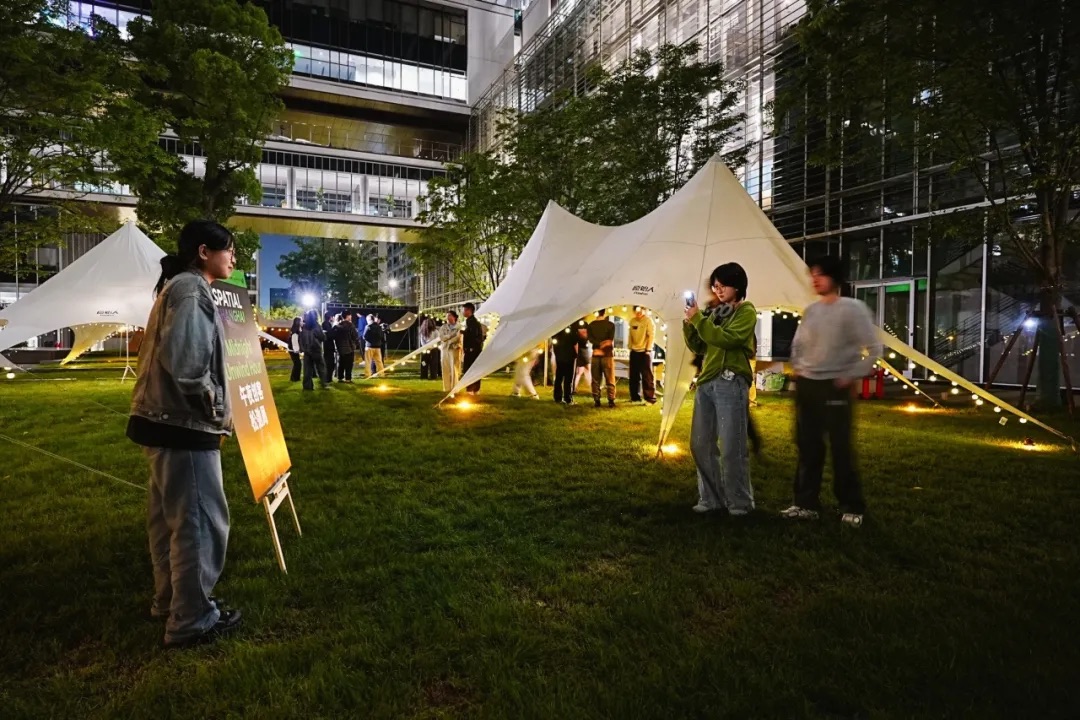
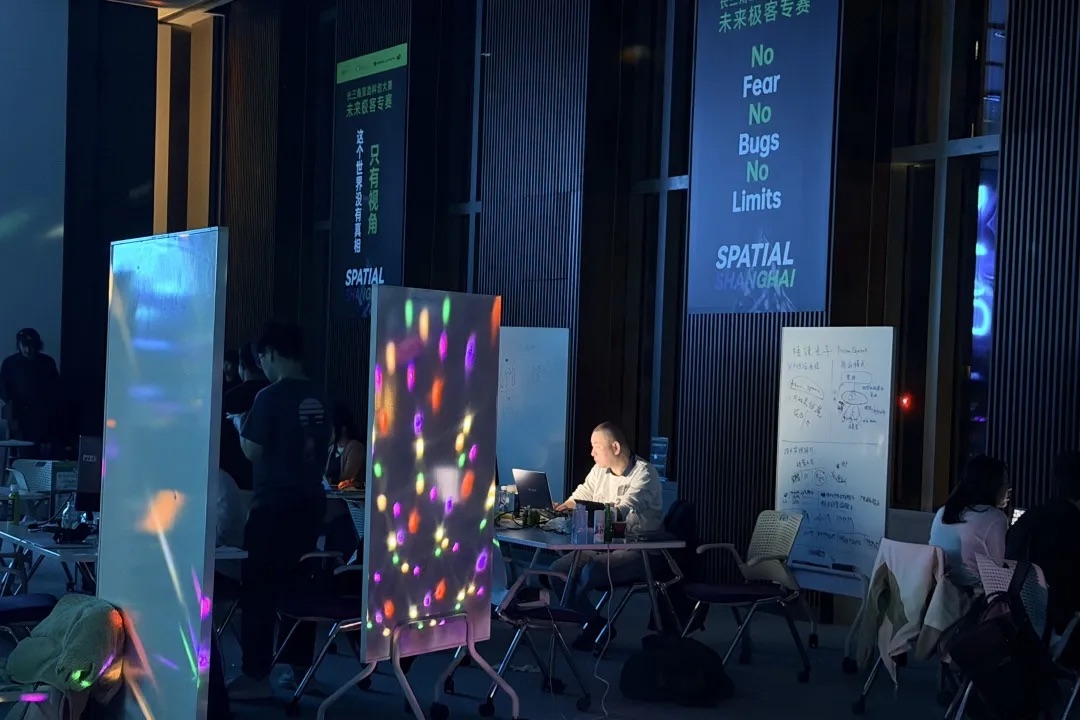
From April 25 to 26, 2026, the 24-hour hackathon of the Future Geeks Special Competition under the Yangtze River Delta JOIN Sci-Tech Innovation & Entrepreneurship Competition unfolded in an intense and passionate contest.
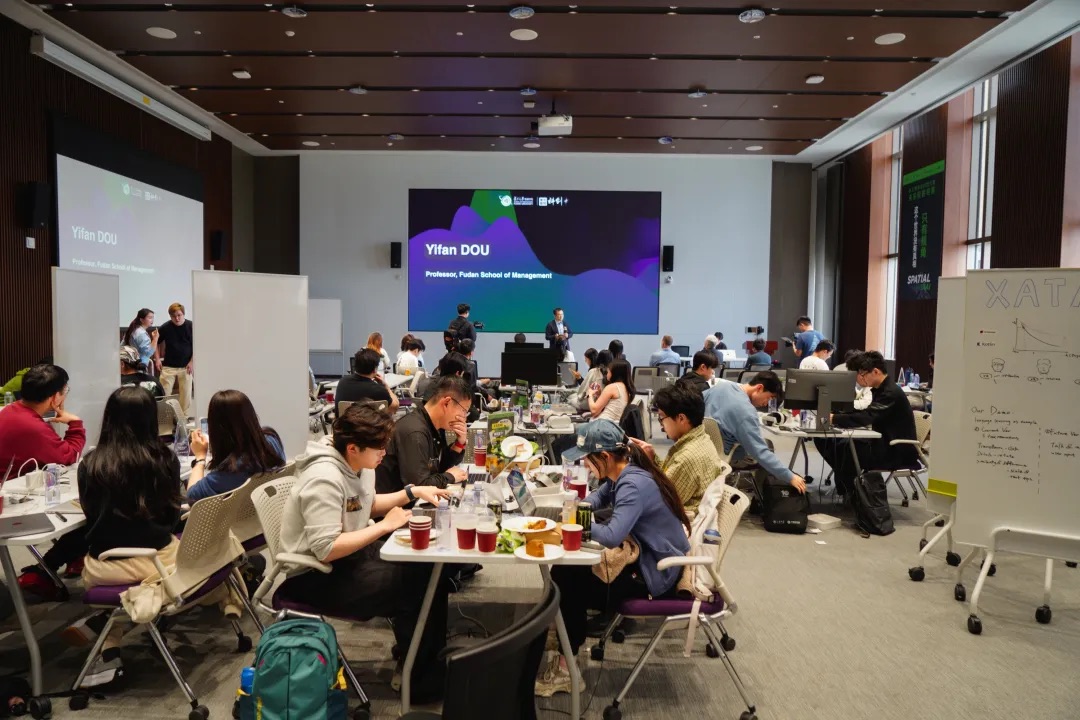
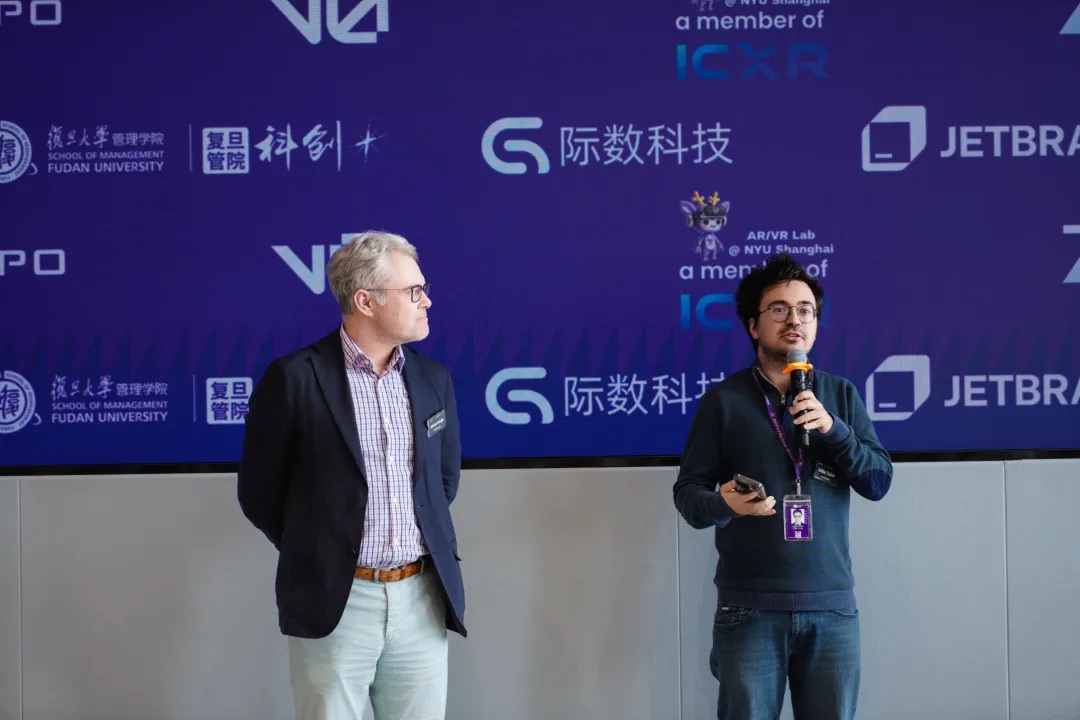
This edition of the Future Geeks Special Competition was jointly organized by the School of Management at Fudan University and New York University Shanghai (hereinafter referred to as "NYU Shanghai"), bringing together 70 participants.
Profile of the 70 Geeks
They came from universities around the world, including Fudan University, NYU Shanghai, Shanghai Jiao Tong University, Columbia University, Zhengzhou University, and Sichuan Normal University.
Their academic backgrounds spanned computer science, AI, architectural design, archival studies, and sociology.
Twelve participants were from programs at the School of Management at Fudan University, including the MBA, IMBA, and Future Stars programs.
The oldest participant was 51, an alumnus in sci-tech innovation from the School of Management at Fudan University, while the youngest was 20, a first-year student at NYU Shanghai.
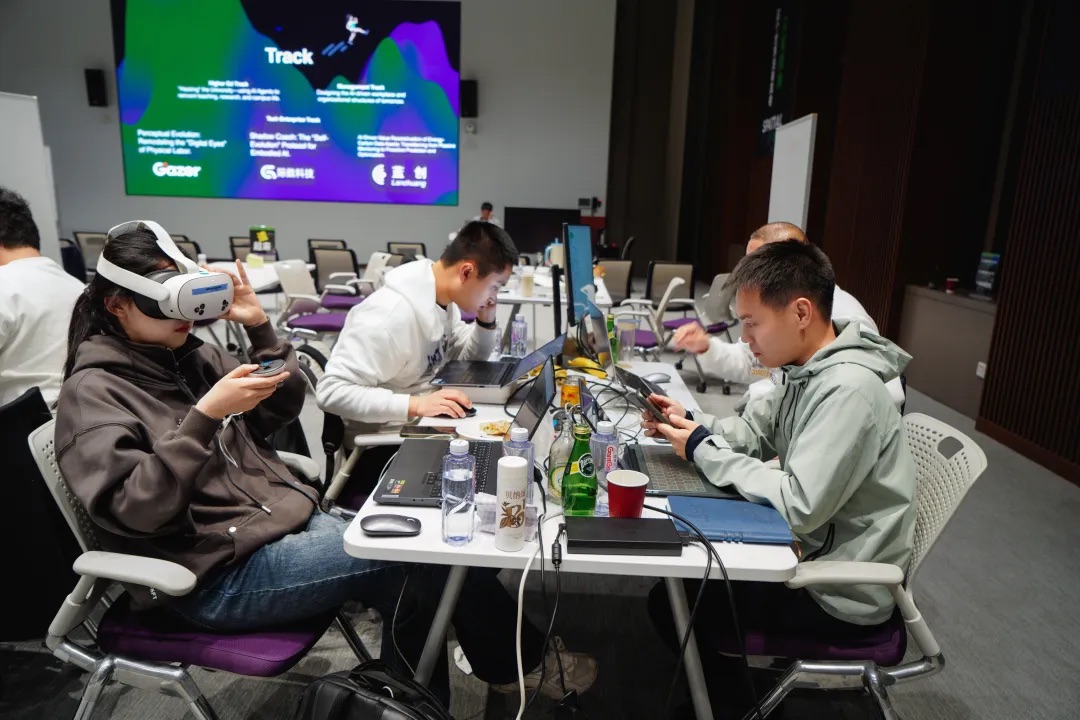
Within 24 hours, these participants formed cross-university teams and devoted themselves to extreme creative work. Using advanced tools and platforms such as Zhipu GLM 5.1, Tripo, JetBrains, and v0 by Vercel, they built interactive 3D spatial products entirely from scratch.
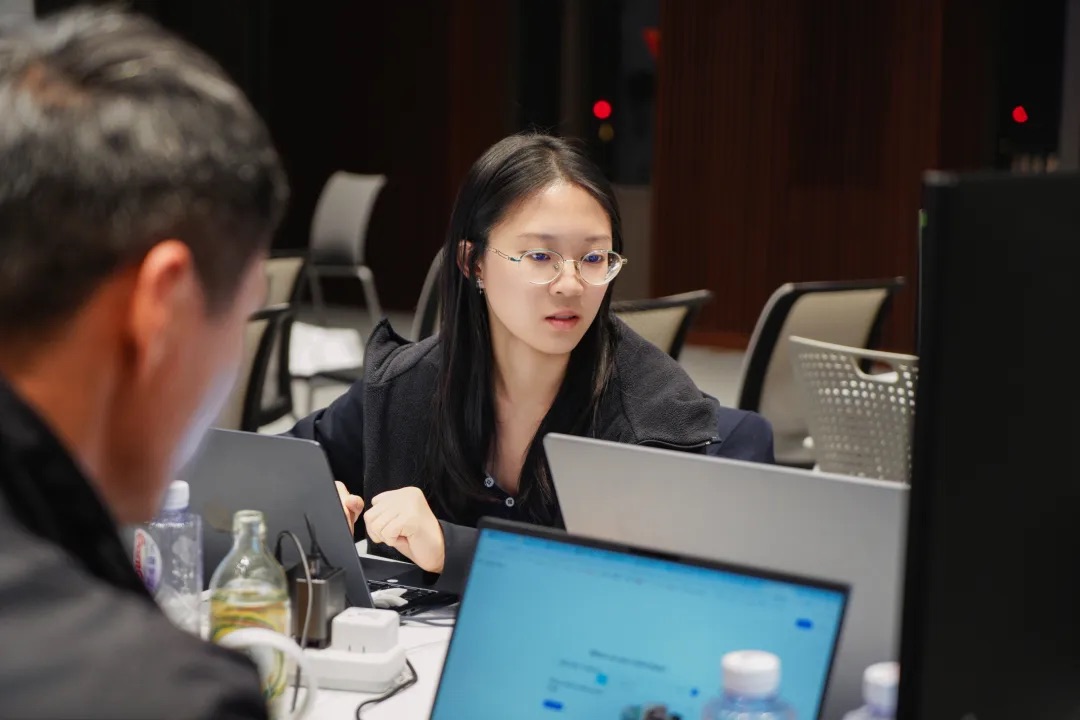
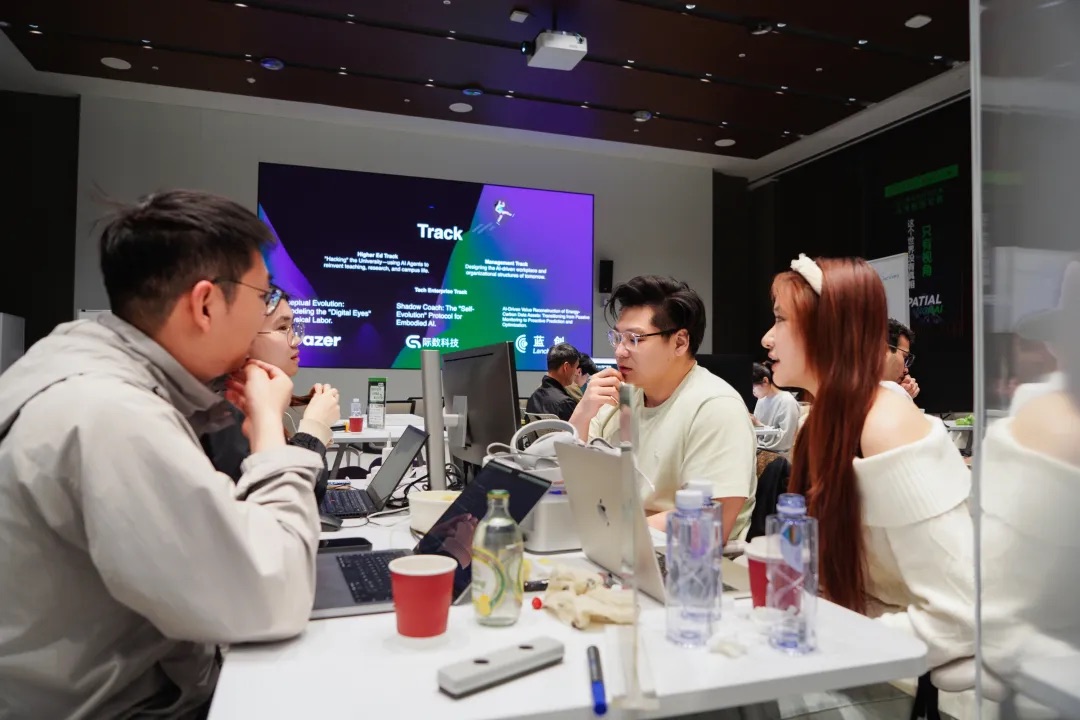
The opening of this special competition also marked the official launch of the 2026 Yangtze River Delta JOIN Sci-Tech Innovation & Entrepreneurship Competition. This year's competition has been comprehensively upgraded. In addition to the six existing tracks from previous editions, it has newly introduced the Future Geeks Special Competition, the Brain-Computer Interface Special Competition, the Semiconductor Special Competition, and the preliminary round of the New Quality Integrated Track, with a focus on next-generation disruptive technologies and a continued commitment to discovering and empowering young innovators and future technology leaders.
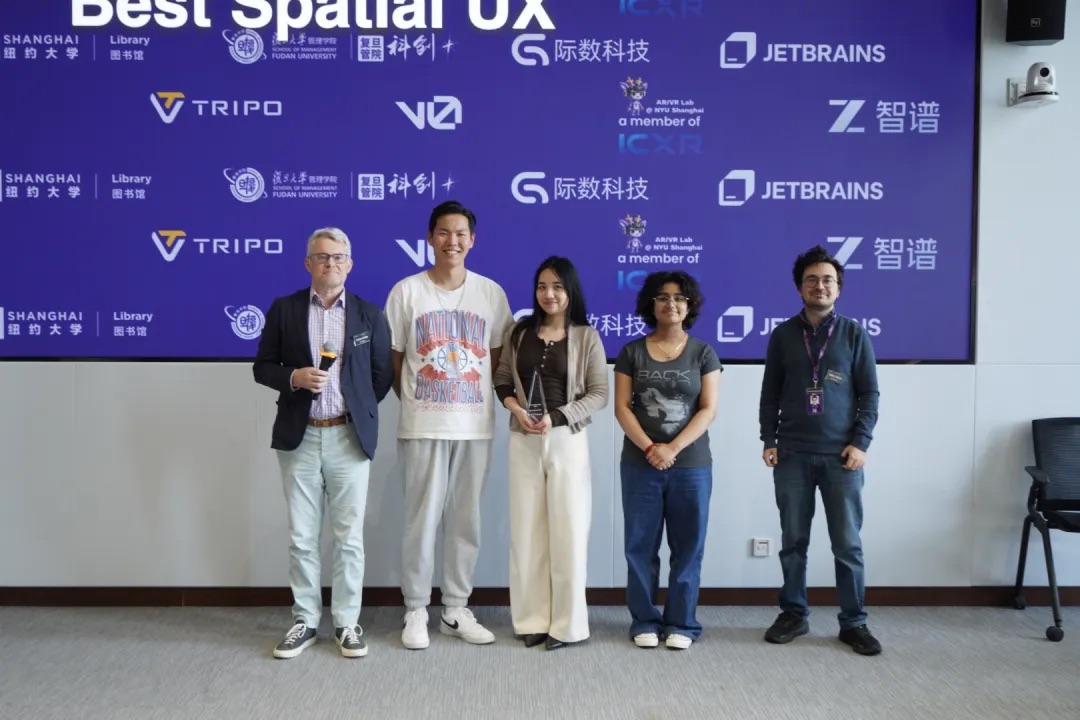
After 24 hours of competition, the Van-der-View team ultimately won the Future Geeks Grand Prize. Their project, Protein Drug Visualization Tool, won unanimous praise from the judges for its creativity, technical execution, and social value.
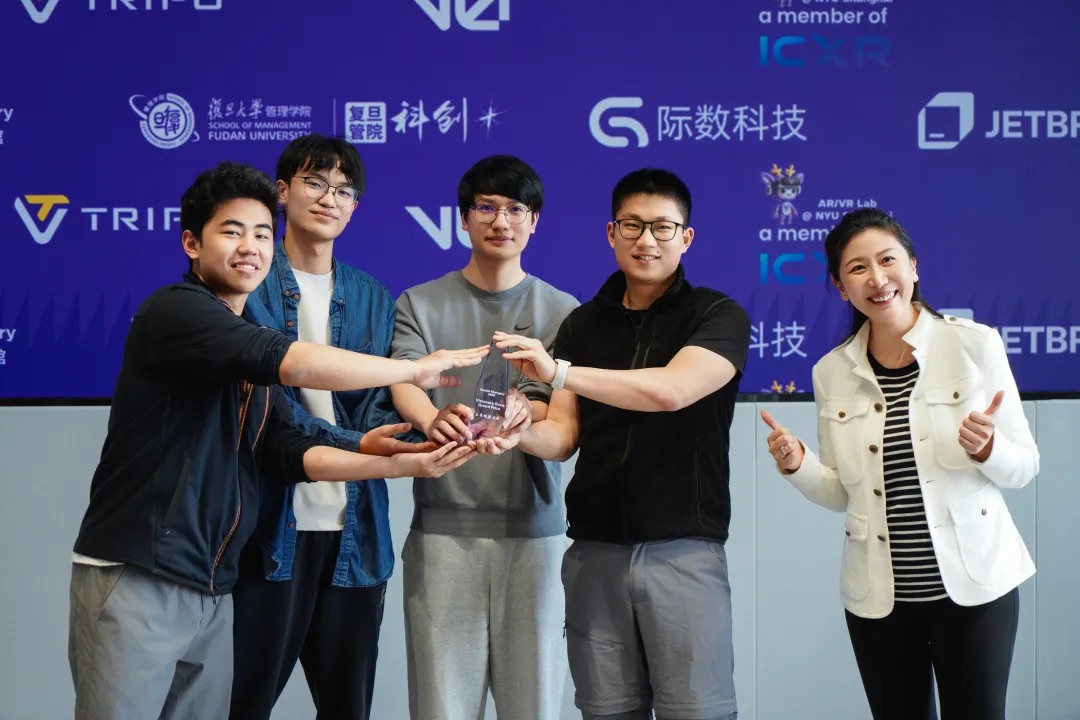
Van-der-View won the Future Geeks Grand Prize.
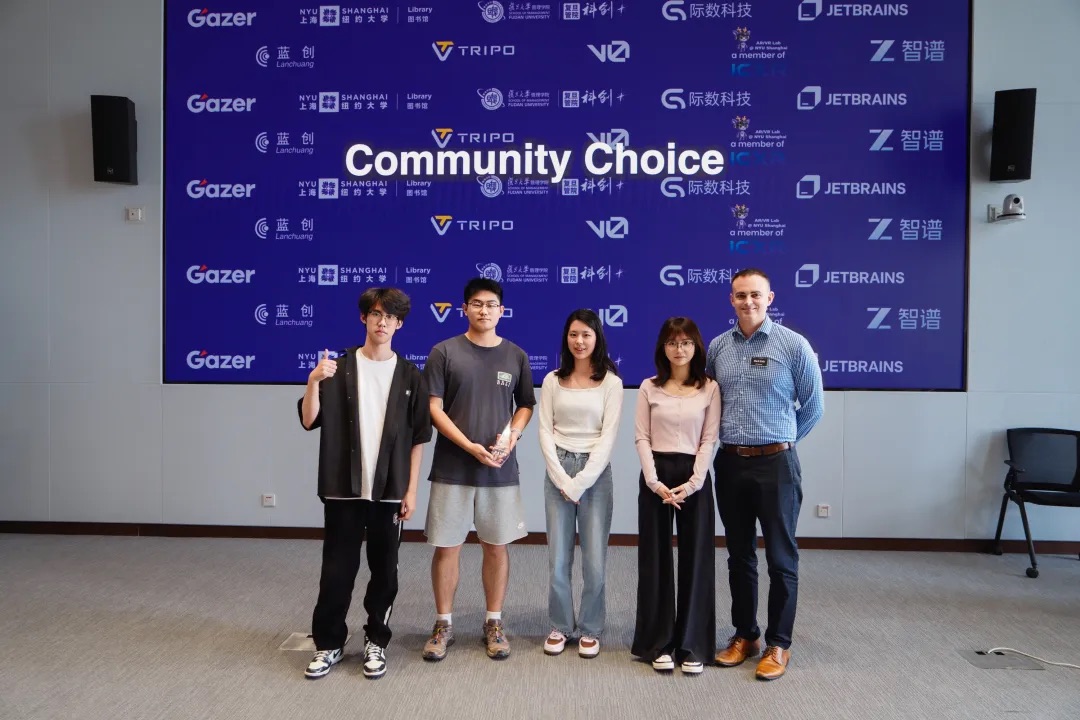
In addition, the Prism Photon team's project Digital Space won the Best Commercial Value Award; the Jiangnan Four Talented Ladies team's 3D Real-Scene Training Tool for Chemistry Experiments won the Best Tripo Usage Award; the Visinarries team's Digital Twin Factory Simulation Training won the Best Spatial Experience Award; the NeuroAgent team's Global Carbon Emissions Prediction won the Best Social Impact Award; and the Fourmula Royale team's Space Station Simulation Training won the Community Choice Award.
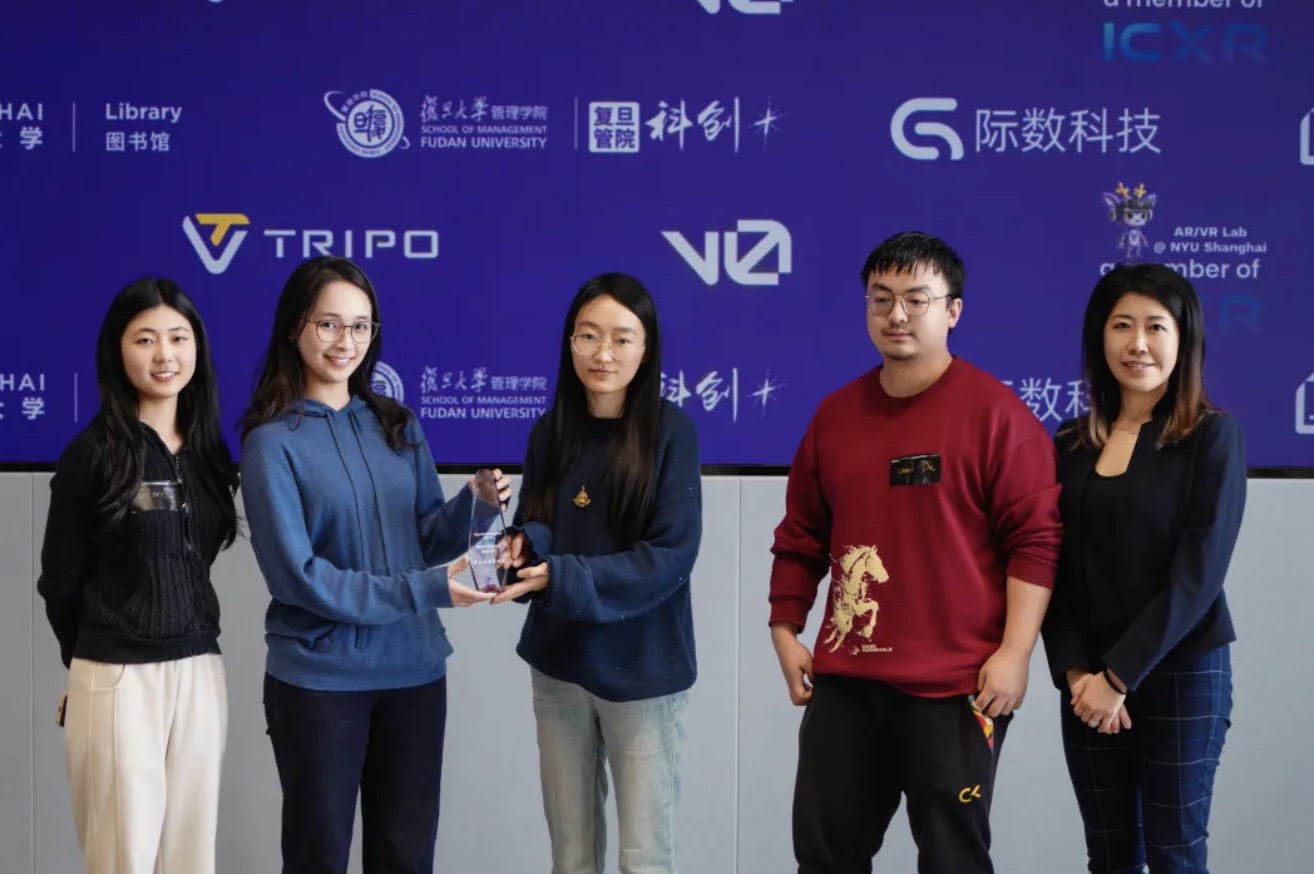
A Cross-disciplinary Mix of Arts, Sciences, and Engineering: AI Is the Tool, Imagination Is the Engine
Participants in this competition came from countries including China, the United States, the United Kingdom, Germany, Singapore, and India. During 24 hours in Shanghai, they spoke a common language: AI. In addition to participants from "typical geek disciplines" such as computer science, AI, and electronic engineering, the event also attracted students from architecture, archival studies, sociology, and other humanities and social science disciplines. Their diverse backgrounds - covering the humanities and social sciences, business, science, engineering, law, design, and medicine - fully demonstrate that innovation in artificial intelligence knows no boundaries, and that every way of thinking can contribute to technological development.
Yifan Dou, Professor at the School of Management at Fudan University, observed that once the range of tools available had been greatly enriched, students' performance had indeed improved markedly. However, he pointed out that they often encountered bottlenecks in two key areas, which ultimately determine who can go further and who can truly deliver an outstanding project. "The first is the ability to choose an entry point and a creative direction when faced with a large and open-ended challenge. The second is the ability to turn ideas into deliverable outcomes." He emphasized that "the focus of this competition is not for investors to scrutinize each project in the hope of immediate commercial returns, but rather to encourage students to think boldly without boundaries. Something that cannot be achieved in one day does not mean it cannot be refined in a month or over a longer period. If participants can engage more deeply with industry pain points and artificial intelligence - for example, by clarifying how a technology genuinely solves a problem, who derives value from it, and who the potential customers are - then the quality of the projects can be further elevated. Cultivating this way of thinking is precisely the greatest significance of the competition."
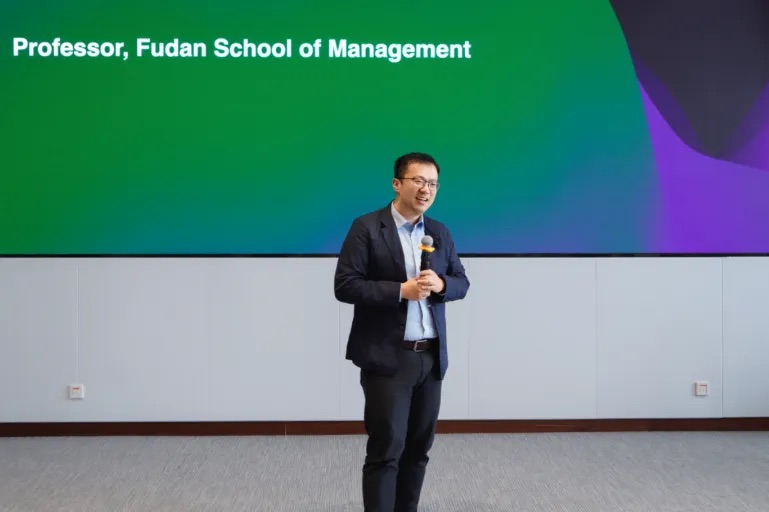
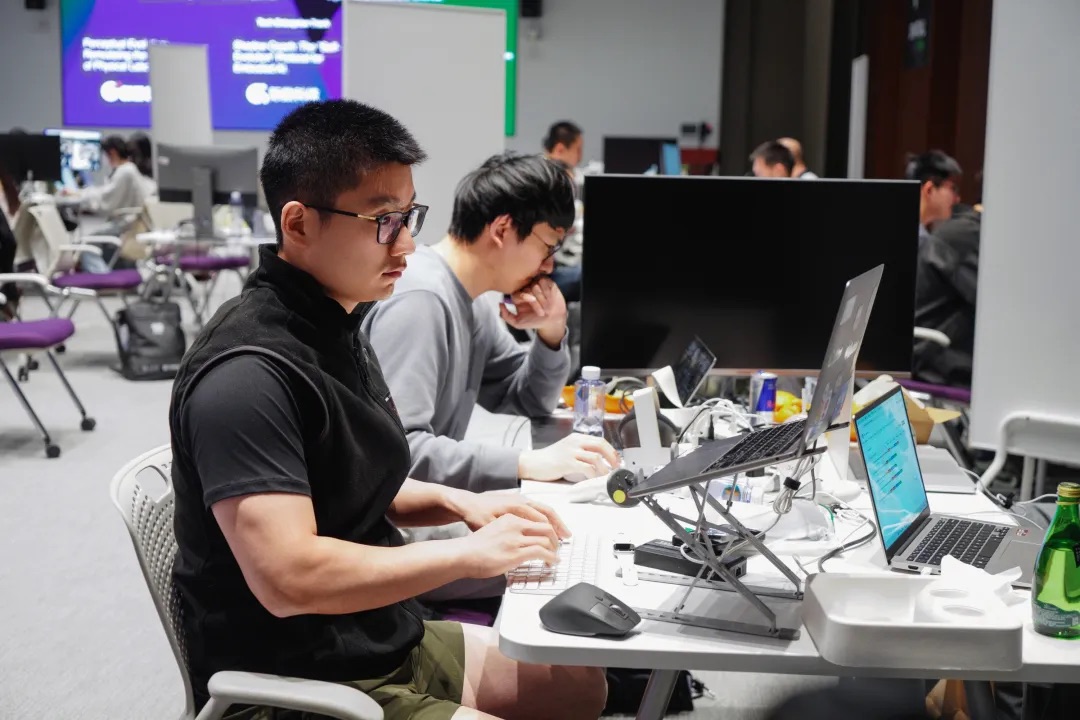
Among the participants were 12 students from the School of Management at Fudan University's MBA, IMBA, Future Stars, and other programs. Some had already spent many years in the workplace; some were founders of technology enterprises. They brought business logic and practical management experience, and sat side by side with Gen Z geeks in front of screens, tuning models and revising code. They were not there merely "for the experience." They still carried the courage and determination to change the world. This competition was never simply about who could code faster or tune models more precisely. Technology is the tool; imagination is the true engine.
Throughout the competition, participants worked in development environments based on JetBrains and v0 by Vercel, with deep integration of top AI models such as Claude, Gemini, and Zhipu GLM. The Tripo API provided the ability to generate 3D assets in seconds, and the final front-end presentation was built on the WebXR technology stack.
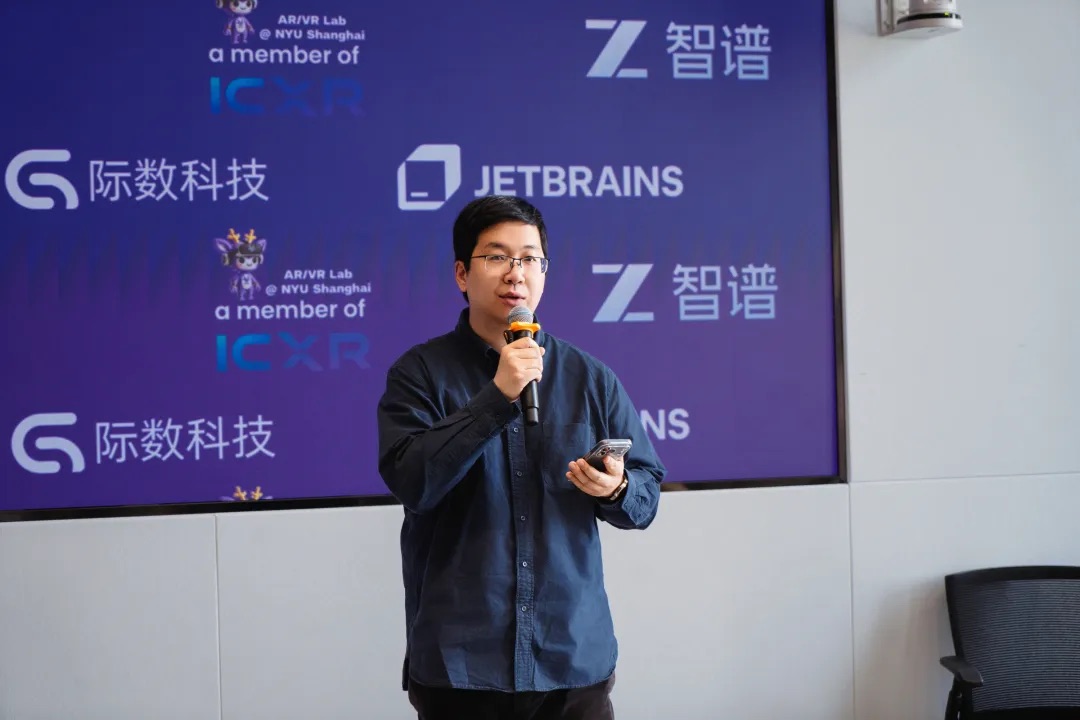
Knowledge Atlas Technology Co., Ltd. also sponsored tokens for the event, enabling participants to fully leverage AI agents and directly transform language instructions into logical code and 3D visuals. Weijie Wu, Senior Vice President of Commercial Affairs at Zhipu, attended the competition in person as a judge and experienced first-hand the creative passion of the future geeks.
"When we learned that we had won the grand prize, we were genuinely surprised, because at the beginning we were simply driven by passion and wanted to give it our all." The champion team Van-der-View developed a protein drug visualization tool for higher education that uses VR headsets and AI agents to help students and researchers understand molecular structures and drug design more intuitively from a 3D perspective. "During development, we overcame challenges such as limited experience with VR devices, the time-consuming debugging of motion interactions, and the coordination of AI collaboration. Guidance from the judges made us pay greater attention to real user scenarios and inspired us to integrate frontier models such as generative AI." Looking ahead, the team said, "To be a geek means embracing new technologies and having the ability to turn ideas into reality. In the AI era, we hope to enable more people to participate in creation and realize their dreams."
Contestants Let Their Imaginations Run Wild, While the Competition Provides Hardcore Support
This competition specially invited three alumni entrepreneurs from the School of Management at Fudan University to serve as enterprise challenge sponsors: Hongjuan Huang Chairwoman of Lanchuang Intelligence; Yuan Zhou, CEO of Jishu Technology; and Shiyu Zheng, CEO of Gazer. They are themselves people actively changing the world. This time, they brought the obstacles and real problems they had encountered in entrepreneurship directly into the competition arena. By sharing the experience they had accumulated along the way, they posed the most authentic business challenges to participants and, at the same time, looked forward to seeing whether the unbounded imagination of these young innovators could offer answers for the future.
The challenge designed by Shiyu Zheng was titled Perceptive Plan: Reshaping the Digital Eyes of Physical Labor. "Based on Gaizer's own optical vision platform, we directly confront customer needs. The core issues we must address include digital management of space and workflows, monitoring of personnel behavioral trajectories and skill norms, and tracking and analyzing data from optical measurement equipment. We hope to improve overall operational efficiency and achieve cost reduction and efficiency enhancement through new methods and systematic solutions. In my ideal team structure, there should be hardware-side technical capability, mid-platform software and algorithm processing capability, and product roles responsible for collecting needs in vertical scenarios, so as to ensure both high feasibility and high value. I very much look forward to seeing solutions that can genuinely solve real scenario demands and perhaps even inspire more possible applications."
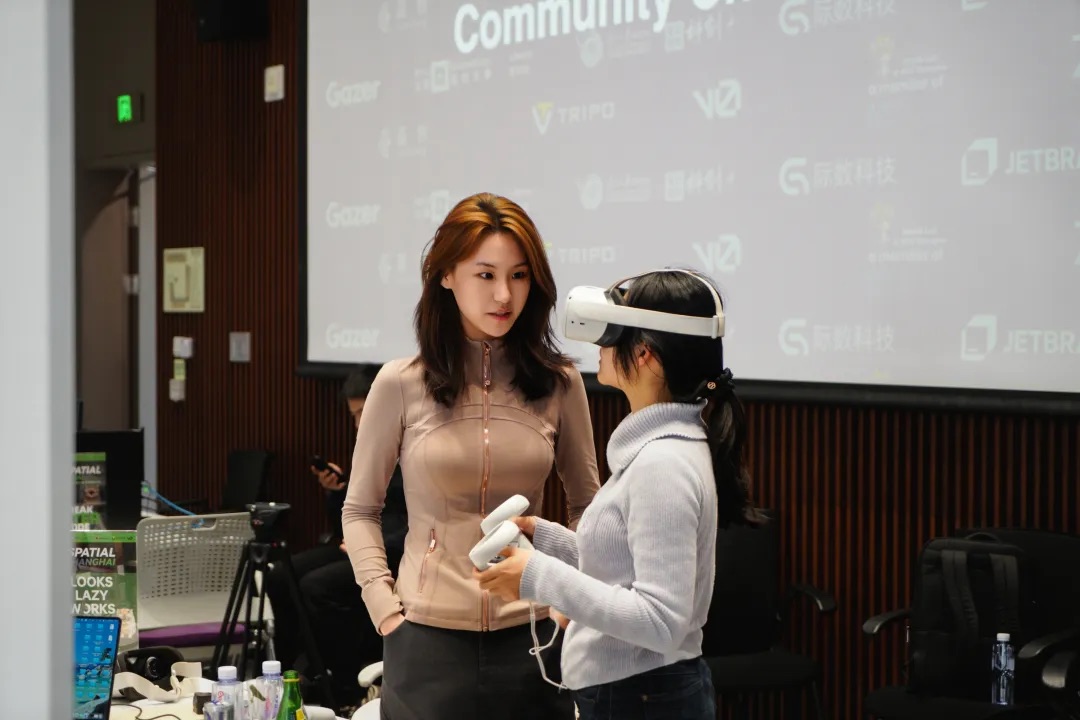
The judging panel, composed of experts from academia, industry, and investment circles, was equally strong. It included Yifan Dou, Professor at the School of Management at Fudan University; Weijie Wu, Senior Vice President of Commercial Affairs at Zhipu; Adrian Hodge, Head of Research and Instructional Technology at NYU Shanghai; ShiMao, Founding Partner of Changlei Capital; Utku Tuluk, Artificial Intelligence Specialist at the NYU Shanghai Library; and Mark Eels, Assistant Director of Student Affairs at NYU Shanghai. They not only scored the participants with professional academic perspectives and industry experience, but also shared highly practical advice on site from the standpoint of experienced practitioners.
"These participants possess youthful energy and boundless imagination. They carry fewer psychological burdens and can propose many ideas that we might never have dared to imagine or might never have thought of at all. Yet those very ideas may offer new possible pathways to solving urgent real-world problems," Mao Shi remarked. He added that some of the application scenarios presented in the competition - such as recruitment platforms, shopping centers, and simulated space capsules - were highly creative and engaging. "As an investor, I hope these projects will not only remain ideas formed during the competition, but will strive to evolve into real applications and even companies. I believe many of them have tremendous potential."
"For the younger generation of students, AI has already been fully integrated into learning across disciplines. They are no longer simply learning knowledge; instead, they are learning while building, and continuously constructing real projects through practice," Adrian Hodge observed. With the assistance of AI, he noted, the threshold for innovation is continuously falling, while the capabilities of individuals and small teams are being multiplied. "This trend is particularly amplified in China: the combination of a massive student population, strong collaborative capacity, and AI tools enables them to produce higher-quality outcomes with greater efficiency."
At the same time, the support provided by the Yangtze River Delta JOIN Sci-Tech Innovation & Entrepreneurship Competition extends well beyond this single event. Direct entry to the grand finals, access to million-yuan-level competition training camps, and opportunities to connect with top investment institutions are all creating the next step for these boldest of geeks.
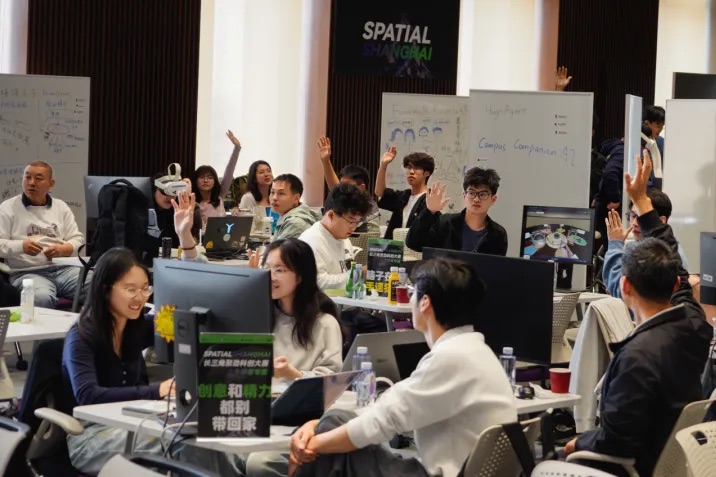
Twenty-four hours is a very short time - so short that it is only enough to do one thing: prove that imagination can outrun time.
A group of passionate geeks used keyboards, AI, and screens that never went dark through the night to tell the world that once the barrier of coding has been leveled, the only true scarcity is whether one dares to imagine and is willing to try.
Some of them will continue refining the demos they built today. Some will go on to found companies. Some will become the next generation of technology leaders. And the Yangtze River Delta JOIN Sci-Tech Innovation & Entrepreneurship Competition is precisely the starting line built for such exceptional individuals.
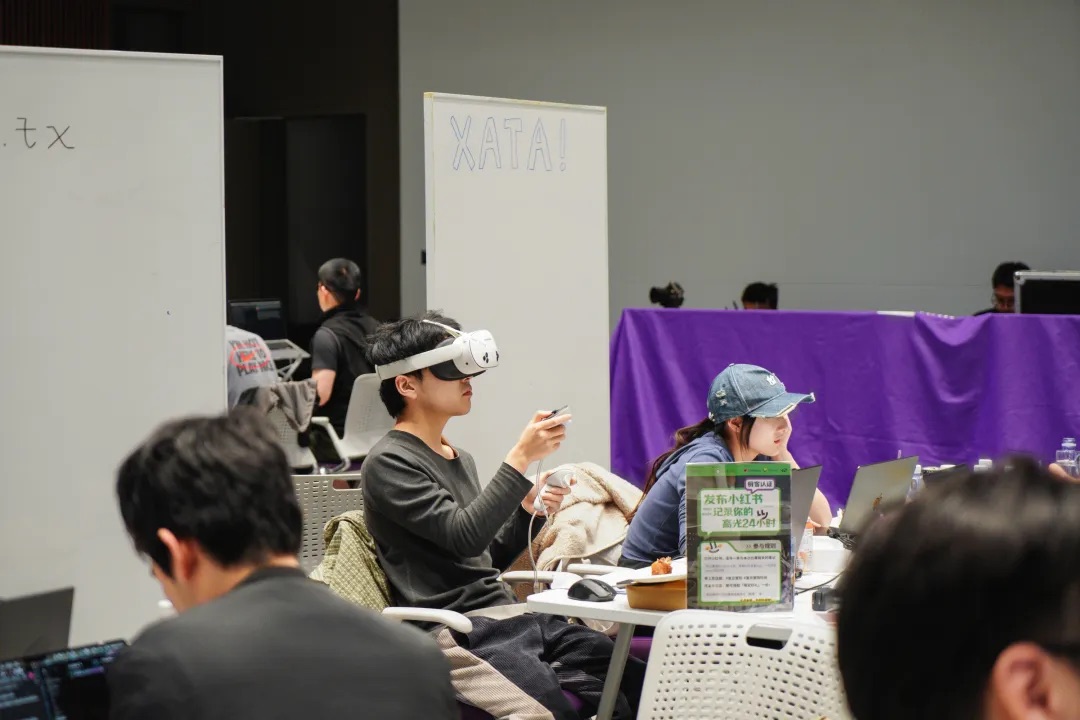
Looking back three years, this journey began with a spontaneous gathering of several geeks in the extended reality space of the NYU Shanghai Library. The library quickly recognized both the trend and the students' enthusiasm, and devoted resources to supporting the competition. Since then, the spark has continued to spread outward, linking up with the library's other interactive spaces.
In 2026, the competition joined hands with Fudan University for the first time and, evolving from an originally spontaneous exploration by geeks, was upgraded into an official special competition under the Yangtze River Delta JOIN Sci-Tech Innovation & Entrepreneurship Competition, formally stepping onto a broader university-level stage. What NYU Shanghai has brought is not only an international perspective, but also a cultural DNA of breaking boundaries and embracing the unknown. From grassroots exploration in its early days to today's deep collaboration, NYU Shanghai has consistently served as a source of innovation for young geeks, infusing this inter-university, interdisciplinary, and cross-border innovation event with a distinctive global character.
The excitement does not end here. Following the Future Geeks Special Competition, the Brain-Computer Interface Special Competition, the Semiconductor Special Competition, and the preliminary round of the New Quality Integrated Track are about to take the stage in succession. More frontier technologies, more ambitious challenges, and more young changemakers - we will see you at the next arena.
