Sixth "Carbon Cycle for the Future" Youth Summit Held at Fudan SoM's Zhengli Campus
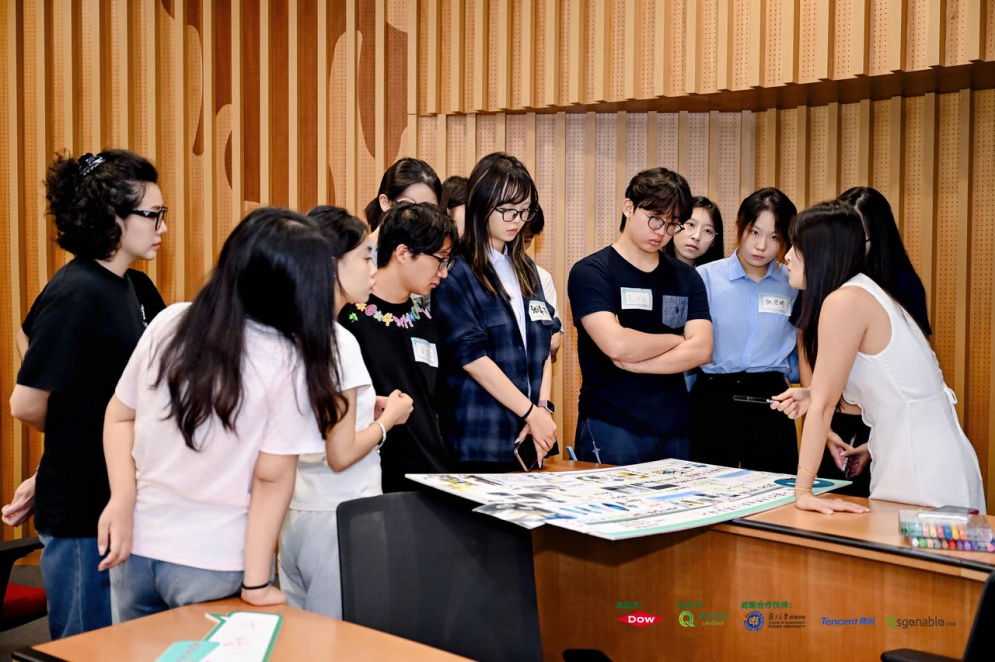
From August 19 to 22, the sixth "Carbon Cycle for the Future" Youth Summit, initiated with support from Dow and organized by Qichuang Space, was held at the Zhengli Campus of School of Management at Fudan University. Aligned with China's priorities for circular plastics management, the summit centered on "From the Plastics Predicament to Circular Opportunities." It explored how plastics management can move beyond simple reduction toward intelligent circular use, while providing university students with a practical platform to deepen their understanding of and participation in sustainable development.
The event featured two innovation tracks open to university students nationwide. "Reimagining Renewal" focused on redesigning packaging made from recycled plastics and encouraged students to develop product innovations using post-consumer recycled plastics as the primary material. "Creating a Circular Tomorrow," grounded in the concept of a "one-kilometer living circle," invited participants to identify nearby opportunities for green and circular innovation through materials technology, digital technology, and circular business models. The program attracted students from 46 universities across China and received 80 youth innovation proposals combining creativity with commercial potential. Following preliminary review and a comprehensive selection process incorporating points earned through online activities, 32 outstanding young representatives from 22 universities advanced to the in-person summit in Shanghai.
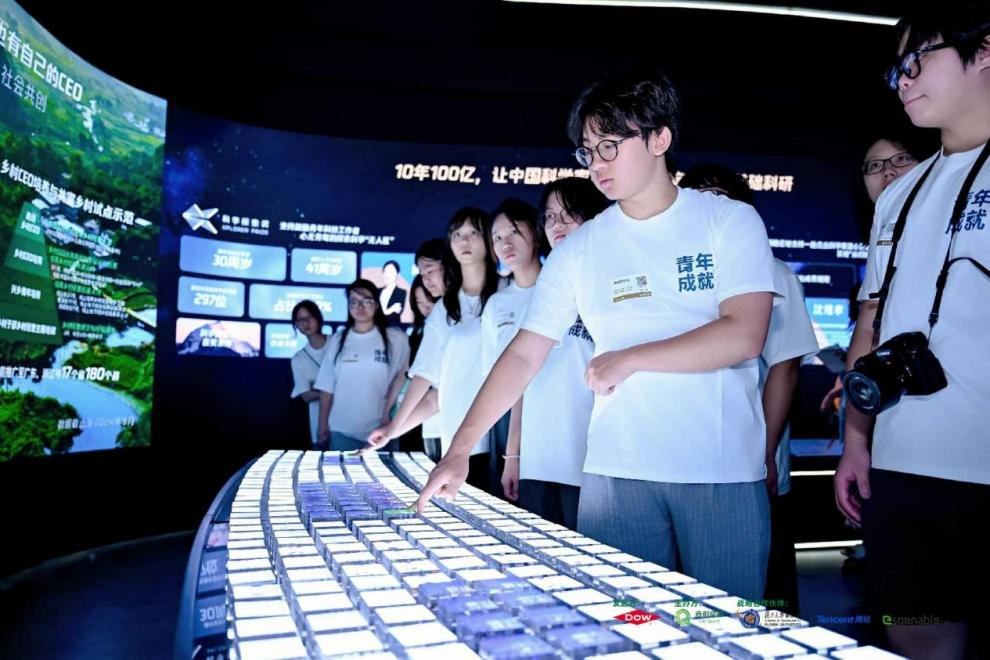
The summit deeply integrated AI-enabled digital innovation into circular-economy practice. A dedicated "AI Empowerment Workshop" brought students to Tencent to experience how AI tools can be applied throughout market research, ideation, proposal iteration, and product prototyping, using digital technology to refine and upgrade green solutions. An on-site mentor observed: "AI can efficiently accelerate the generation of solutions to known problems, but it cannot replace young people in identifying genuine social pain points. Young people's insight, field observation, and humanistic reflection remain at the core of innovation." Through hands-on practice, participants gained a deeper understanding of the boundaries of digital tools and placed greater emphasis on developing integrated innovation capabilities, including field research and user insight.
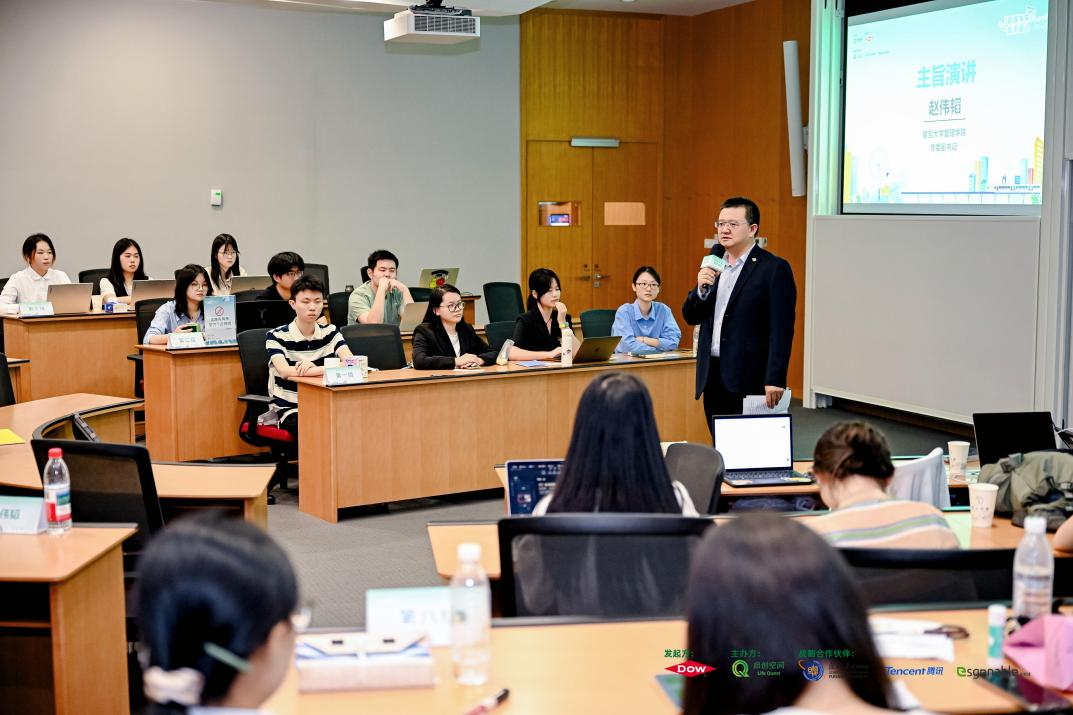
In his remarks, Weitao Zhao, Deputy Secretary of the CPC Committee of School of Management at Fudan University, noted that many participants came from business, humanities, and design disciplines. He emphasized that green transition is not solely a technological issue: human behavior, market mechanisms, consumer culture, and communication narratives are equally indispensable to the circular economy. Technology answers whether something can be done; business and social perspectives explain how it can succeed and endure.
With youth development at its core, the summit presented three awards corresponding to different dimensions of young people's innovative capabilities. Together, the awards reflected the full value chain of circular-economy innovation, from public communication and commercial implementation to problem identification.
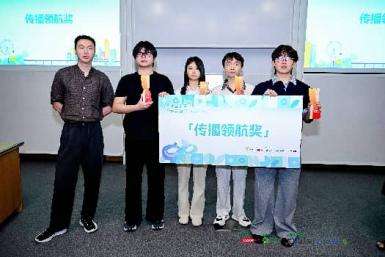
The "Reshape" proposal from the team receiving the Communication Leadership Award did not present environmental protection as the sole reason to purchase the product. Instead, the team sought first to make the product a genuinely good product—one that consumers would appreciate for its design, aesthetics, and user experience, and then understand and embrace for the value of recycling behind it. At the award ceremony, a judge remarked that, in an era of rapidly consumed information, attention may be an even scarcer resource than carbon metrics. A single swipe can make a story disappear in an instant. Helping serious, far-reaching issues of carbon circularity be heard in a more approachable, gentle, and youthful way is itself a means for young people to participate in sustainable development.
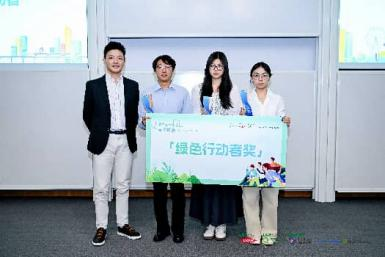
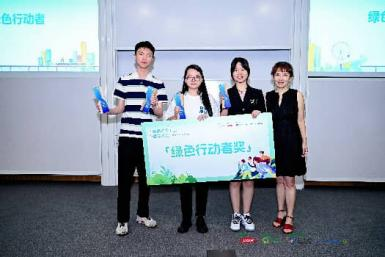
The teams receiving the Green Action Award demonstrated both commercial thinking and implementation capability. Starting from the everyday pain point of takeaway packaging, "Discarded Plastic, Reclaimed Moments · Reborn Plastics Collection" used thoughtfully designed DIY features to transform single-use packaging into practical products that can be reused, bringing circular principles into everyday consumption. The "Modular Recycled-Plastic Flowerpot" addressed the common problem of forgetting to water plants. Through modular design, stylish presentation, and blind-box sales, it repositioned recycled materials as more than an environmentally friendly choice, turning them into products that combine functionality, visual appeal, and consumer attractiveness.
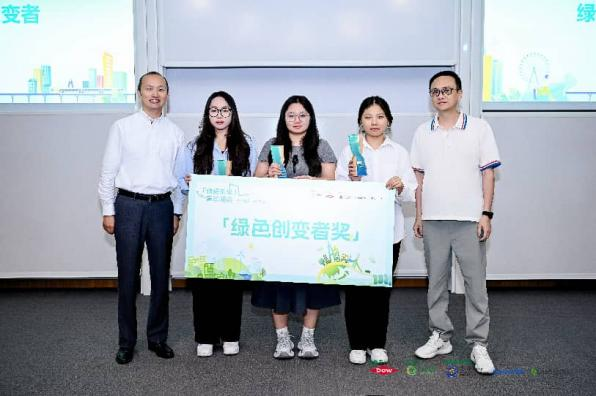
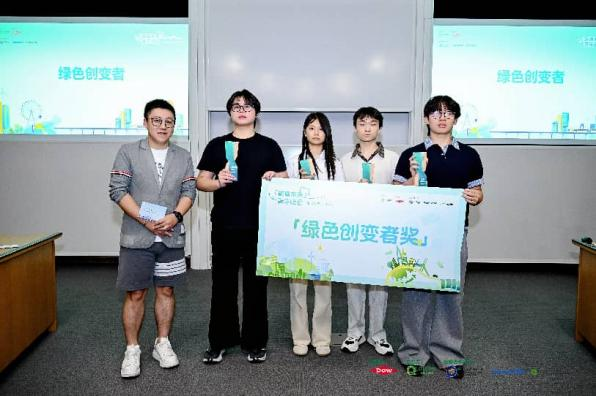
The two teams receiving the Green Changemaker Award demonstrated the ability to identify and define problems. "Reshape" examined the design gap between recycled materials being "recovered" and being "chosen again": why do materials still struggle to re-enter people’s lives even after they have been recycled? "Youthful Plastics, Flourishing Green" began with a real need—insufficient space for a grandmother to grow flowers - and explored vertical gardening to create more green possibilities within limited living spaces. In an era when AI can rapidly generate countless answers, where does the true innovative value of young people lie? Through hands-on project work, the students reconsidered and redefined the core issues truly worth their effort.
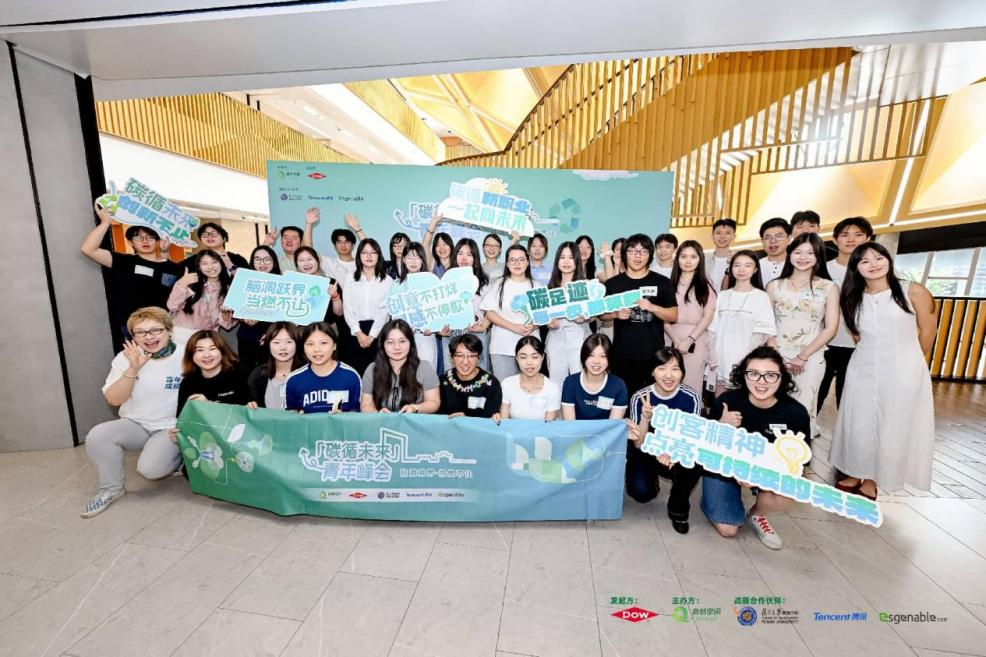
As the summit concluded, these young participants returned to their campuses and communities with sharper powers of observation, stronger capacity for action and creativity, and a deeper commitment to sustainable development. They will continue to inject youthful energy into society's sustainable transition.
As an educational public-interest program dedicated to cultivating talent for sustainable development, "Carbon Cycle for the Future" has reached more than 8,500 university students since its launch in 2022. It has engaged corporate volunteers on more than 330 occasions and collected over 600 youth entrepreneurship proposals. The program brings together industry resources and frontier practices from leading enterprises while building a systematic body of circular-economy knowledge for university students. By engaging participants with real business challenges, it enables young people to develop innovative projects with implementation potential and helps them clarify career pathways in sustainable development through practical exploration.
