What Truly Endures in AI Marketing Is Not Data and Processes, but Talent and Judgment | ROI Festival Forum
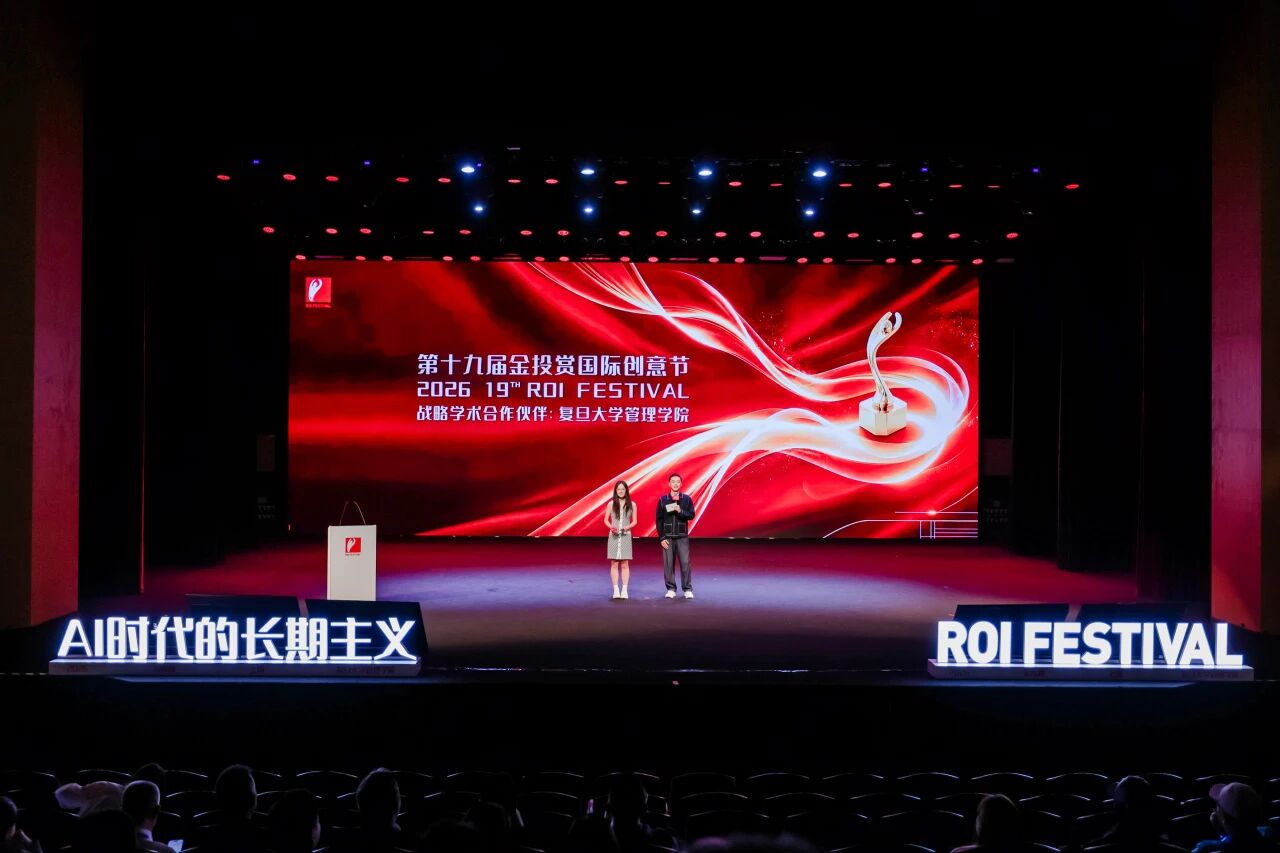
On October 21, 2026, the Summit Forum of the 19th ROI Festival was held at the Zhengli Campus of the School of Management at Fudan University under the theme "Long-Termism in the AI Era." Guests from academia and industry gathered for an in-depth discussion of leadership, business growth, professional judgment and organizational change in the AI era.
Professor Qingyun Jiang and Professor Liyin Jin of the Department of Marketing at Fudan SoM moderated the two core roundtables, in conversation with industry guests from WETEC, Deloitte, Omnicom Media China and Wanglaoji Beverage Group. The discussions ranged from the boundaries of AI agents' participation in professional decision-making to the ways AI is reshaping how marketing teams work, and asked how companies can find new room for growth in human-machine collaboration as technology continues to expand what is possible, and how the value of people will be redefined.
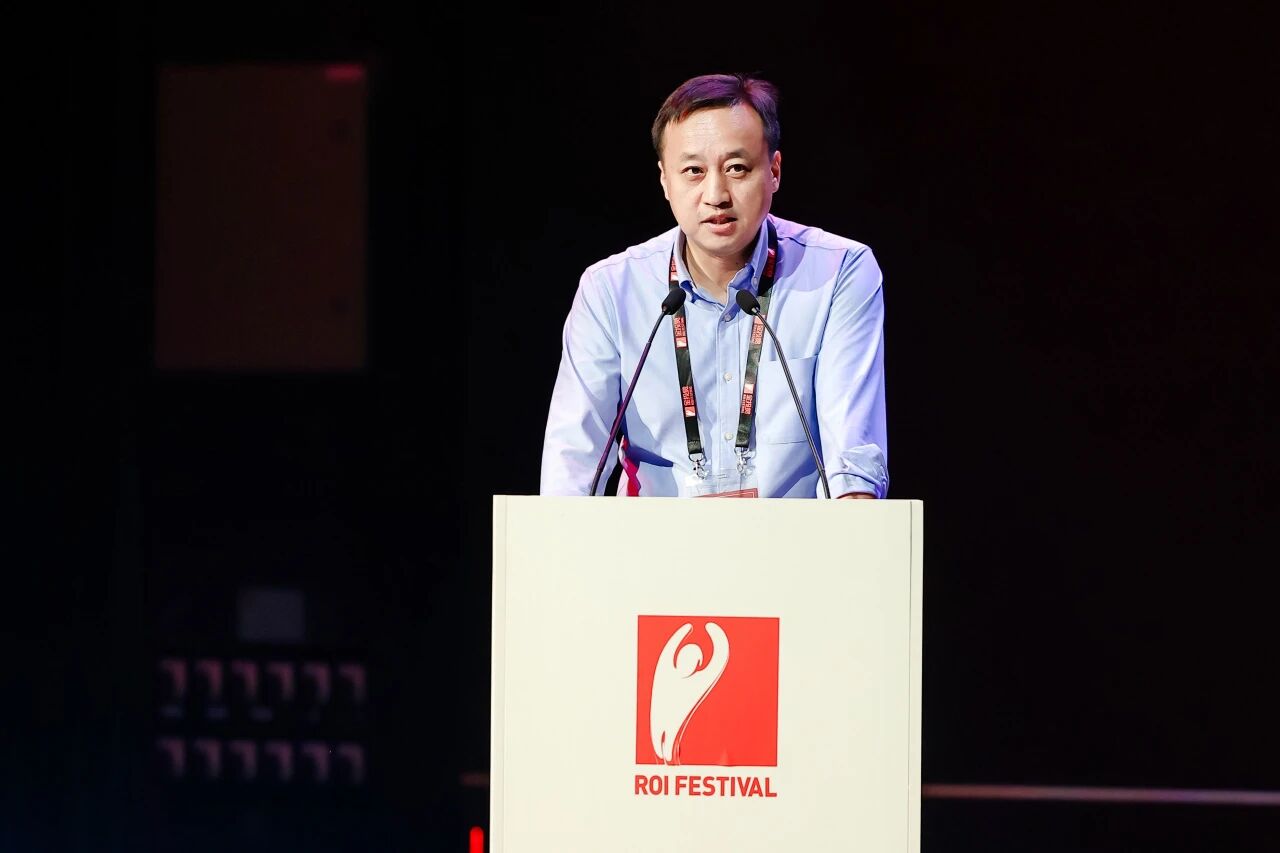
△ Liyin Jin, Chair and Professor of the Department of Marketing at Fudan SoM, delivers the opening remarks.
When AI Is No Longer Just an "Assistant": The Contest over Decision-Making Authority in the Age of Agents
In the roundtable "Defining Judgment: When Agents Begin to Participate in Professional Decision-Making," moderated by Professor Qingyun Jiang of the Department of Marketing at Fudan SoM, Wei Liu, Chief Executive Officer of WETEC, and Ying Tang, Partner of Deloitte Digital, examined the boundaries of agents' participation in professional decision-making, as well as human judgment and professional value in the AI era.
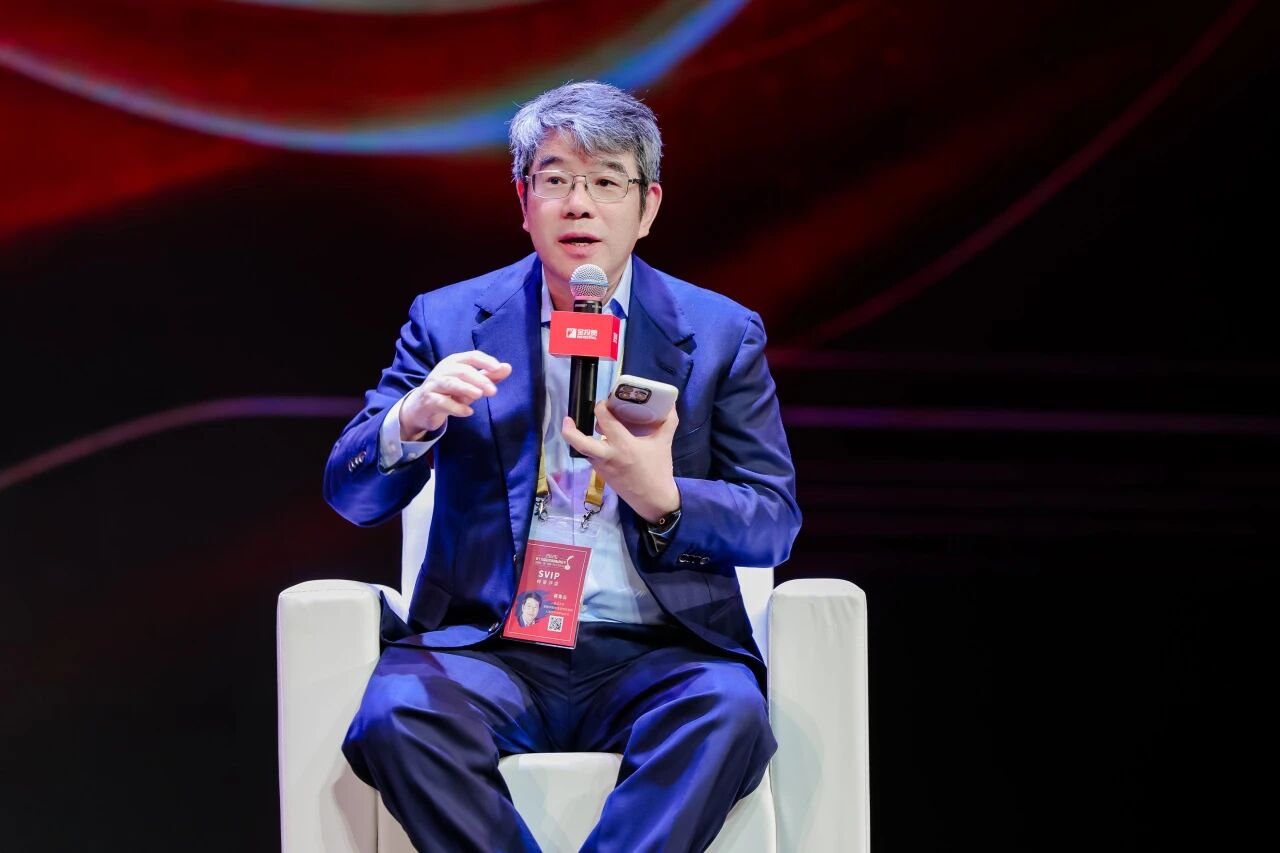
Qingyun Jiang, Professor of the Department of Marketing, School of Management at Fudan University:
According to a recent ROI Festival survey of the marketing capability framework in the AI era, "talent and judgment" drew the most attention among the AI marketing capabilities that companies consider most important, accounting for 42%. The core work of marketing covers market insight, judgment and decision-making, customer conversion and relationship management, as well as brand building and value co-creation. As agents take on more of these tasks, which can be handed over to AI and which must still be led by people? And as AI capabilities keep advancing, which irreplaceable professional abilities should people retain and develop?
Looking back at the development of artificial intelligence, I first encountered the concept of the "Smart Agent" during a visiting scholarship at the Massachusetts Institute of Technology (MIT) in 2000. At that time, an intelligent agent mainly referred to a software system that helped people carry out tasks proactively. Today, large language models have greatly enhanced agents' ability to collect information, integrate knowledge and support decisions, moving agents from supporting tools toward the core of professional decision-making.
AI is also reshaping the value of knowledge-intensive industries. Take university faculty as an example: our work involves both transmitting knowledge and creating it. The former is being disrupted by AI's powerful capacity to integrate knowledge, while the latter still depends on human creativity. The same is true of consulting. When access to knowledge and the output of methodologies are no longer scarce, future competitiveness will come more from effectively accumulating explicit and tacit knowledge and from continuously creating new knowledge. As a result, the organizational form of professional service firms may also change, becoming leaner and more efficient.

Wei Liu, Chief Executive Officer of WETEC:
In marketing practice, deciding which tasks can be delegated to agents depends mainly on two dimensions: the degree of standardization and the level of risk. Highly standardized, low-risk work, such as compiling data for daily and weekly reports and producing creative assets at scale, can be led largely by agents. For high-risk matters such as allocating large budgets, setting important business strategies and handling sensitive information, AI can offer alternative options, but people must still review, decide and bear responsibility. For lightweight creative work and some media placement tasks, human-machine collaboration works well: AI provides creative inspiration while people safeguard brand tone and emotional expression.
Looking ahead, people's core competitiveness lies in four areas: first, boundary judgment, that is, knowing when to trust AI and authorize it to act; second, value judgment, looking beyond calculations based on historical data to consider long-term brand value, business interests and compliance risks; third, accountability, clarifying who is responsible at every stage of a decision and ensuring that outcomes are traceable; and fourth, interpersonal communication, understanding the real needs of colleagues, partners and consumers. These abilities remain an important foundation for business operations and commercial judgment.
AI is also changing the business models and organizational forms of marketing service providers. We have already deployed more than 200 agents internally and hope to gradually turn them into interfaces that serve clients directly. At the same time, our organization is becoming flatter, and project managers are no longer expected to master marketing expertise alone: they also need business judgment, communication and collaboration skills, and the ability to integrate resources. Future competition will be not only a contest of technological capability, but a contest of the ability of people and AI to create value together.
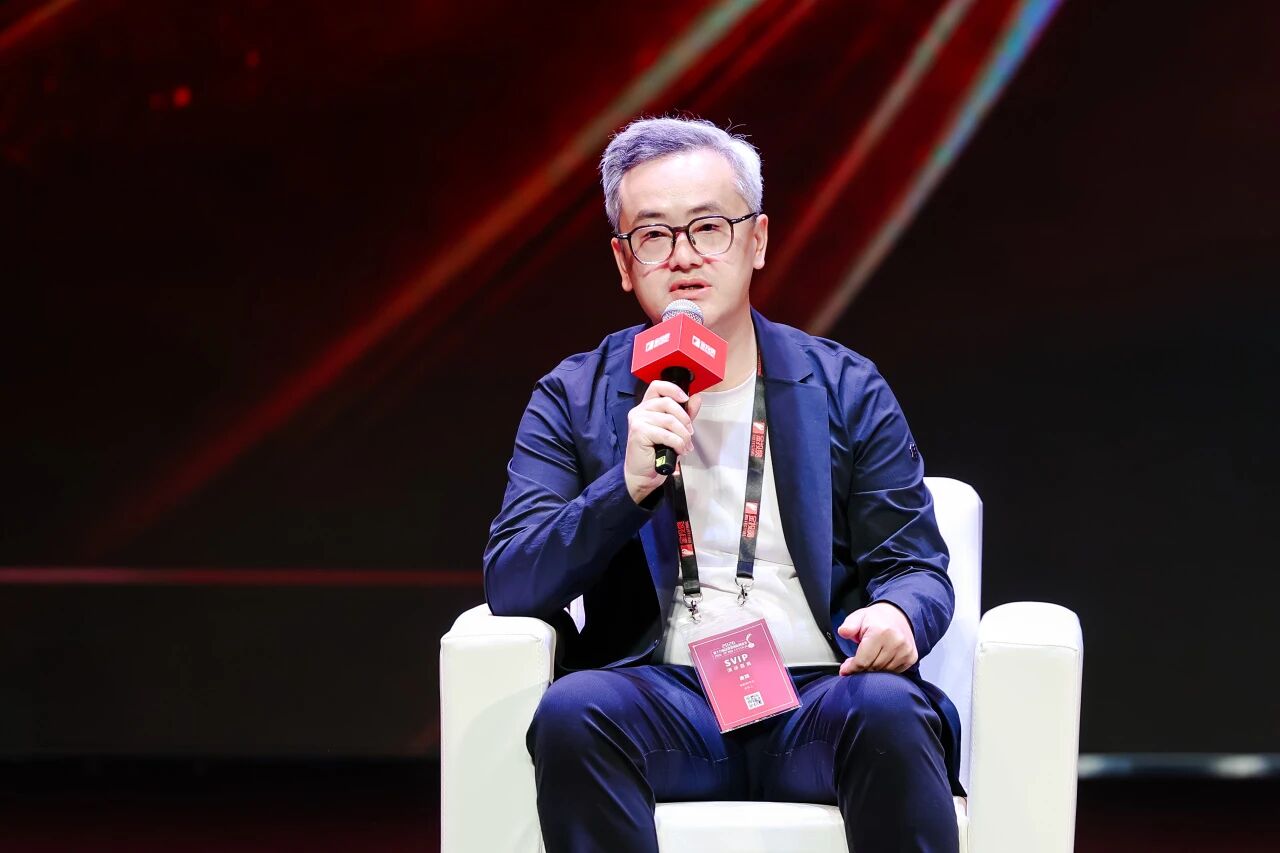
Ying Tang, Partner of Deloitte Digital:
For professional services such as consulting, AI is redefining traditional methodologies and knowledge outputs. Consultants used to create value through accumulated cases, logical analysis and methodologies; today AI can already perform a substantial part of that work. Yet industry experience is not the same as data and documents: much important knowledge resides in project practice, expert judgment and organizational collaboration. How to accumulate that experience effectively, and on that basis keep innovating and creating new value, will become a key source of competitiveness for professional service firms in the future.
This shift also sets new requirements for talent development. New employees once built experience mainly through apprenticeship with senior colleagues; today everyone can have their own agent. For young people entering the workforce, the ability to break down complex problems, ask the right questions and form professional judgment with AI will become increasingly important. AI can amplify the value of experience, but it cannot replace sustained, in-depth professional work.
Companies applying AI must also return to business value itself: not every use case warrants AI. In major decisions, people should first define the decision criteria, then use AI to speed up information processing and option generation, while recording which tools, data and knowledge were used so that responsibility is clearly bounded. At present, AI still functions mainly as an "assistant" in major decisions. This is shaped not only by technological capability, but also by organizational structures and decision-making processes.
Now That AI Has Joined the Team, Must Marketing Teams Rethink How Work Is Assigned?
The roundtable "Organizational Restructuring: Redefining Work" was moderated by Professor Liyin Jin, Chair of the Department of Marketing at Fudan SoM, and brought together Jizeng Ye, Deputy General Manager of Wanglaoji Beverage Group, and Joey Zhao, Chief Executive Officer of Omnicom Media China. Together they discussed talent capabilities, organizational change and human-machine collaboration in the AI era, and how companies can redefine work and unlock growth potential.
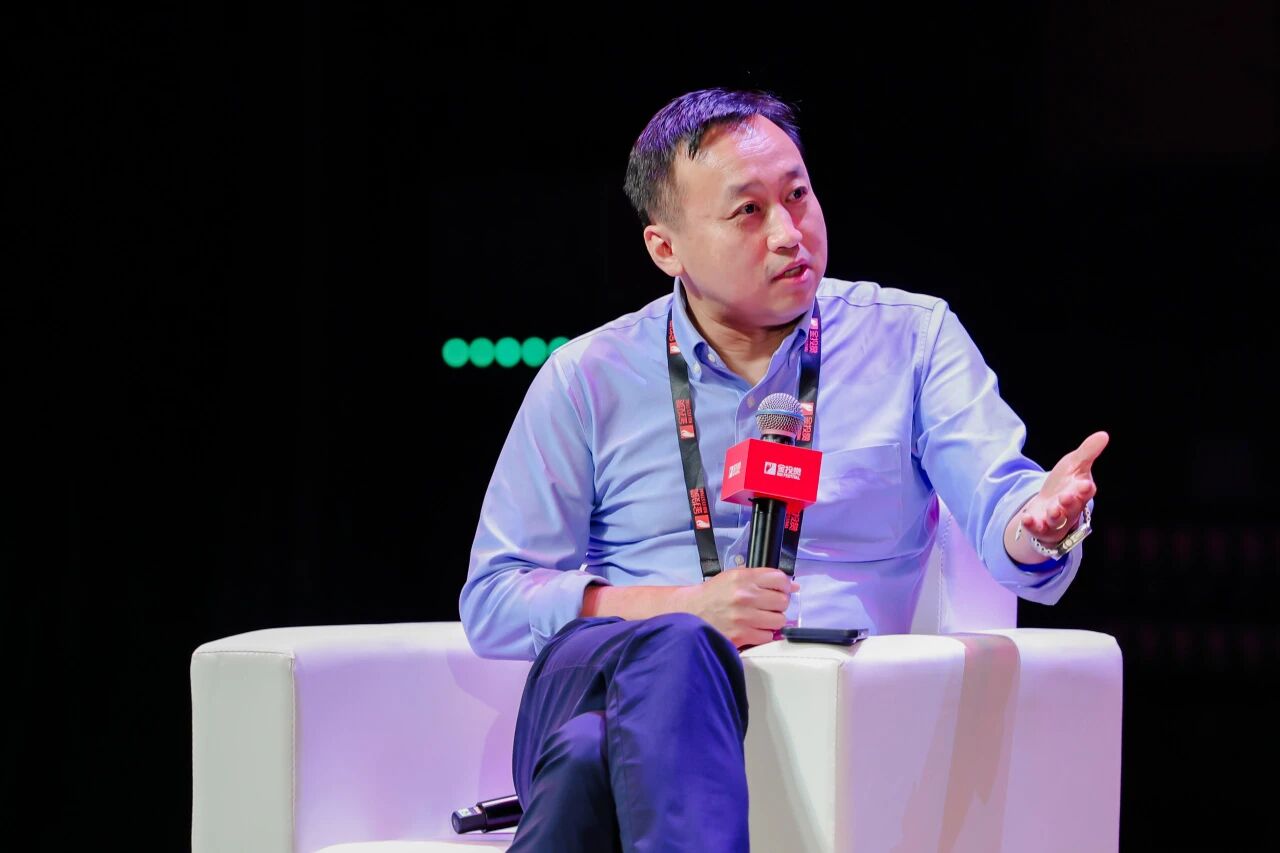
Liyin Jin, Chair and Professor of the Department of Marketing, School of Management at Fudan University:
Marketing services have always been a knowledge-intensive industry highly dependent on specialized talent, with a clear division of labor across strategy, creative work, data analytics and media placement. AI is now rapidly acquiring these professional capabilities. If AI can eventually perform 70% or even 80% of the work done by marketing professionals, what will the remaining 20% be? This is a question that concerns a great many people.
The change affects not only individuals but also the relationship between brands and marketing service providers. In the past, brands relied on professional agencies for market research, consumer insight, strategy formulation and creative production. Today, with AI, in-house brand teams can quickly acquire some of these capabilities. This does not mean that agencies lose their value; they need to rethink their core value and make clear that they are not merely suppliers of traditional marketing and media services, but partners that help clients build ecosystems for business growth.
A deeper change is taking place inside organizations. Traditional marketing organizations are usually divided by function, namely market research, brand, creative, media and sales, and complete tasks through specialization and cross-departmental collaboration. As AI takes part in more day-to-day work, employees' capabilities grow, and existing job responsibilities, departmental boundaries and collaboration mechanisms may change with them. AI-driven organizational change is not simply a matter of adjusting positions or flattening hierarchies; it also calls for rethinking workflows, management mechanisms and organizational structures.
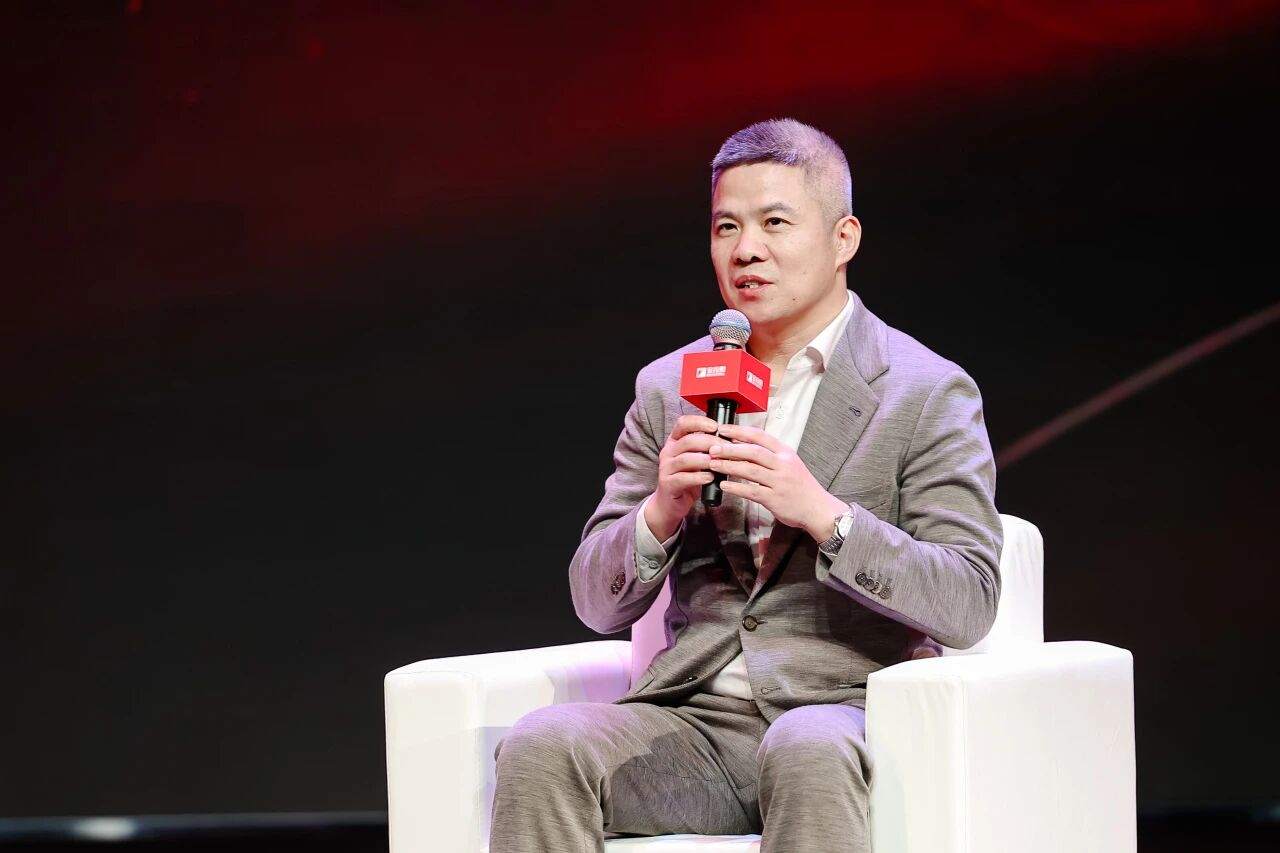
Joey Zhao, Chief Executive Officer of Omnicom Media China:
AI is profoundly changing the marketing services industry. Agencies can no longer offer only traditional media and marketing services; they should become growth partners for brands, designing growth ecosystems together with their clients. Their core strengths lie in talent accumulated across categories and disciplines, and in methodologies tested in practice and ready to be reused. By integrating first-party client data, advertising placement data and anonymized third-party data, agencies can gain a deeper understanding of consumer behavior and attribution logic, and take responsibility for the growth of their clients' business.
The key to organizational restructuring is not a simple adjustment of management layers, but breaking down the barriers between specialized departments such as data and creative, and regrouping talent and teams around the client's business objectives. AI can accelerate cross-disciplinary collaboration so that teams are no longer confined to functional divisions but share responsibility for the business results they ultimately deliver.
As people grow familiar with AI, the initial sense of unfamiliarity with the technology fades; the real urgency lies in accumulating reusable methodologies and embedding intelligence in organizations and talent. Young people need not be constrained by established experience. They should find a path that is free of anxiety yet full of passion, based on the boundaries of their own abilities and on their interests. No matter how many times in a row AI judges correctly, people must not stop questioning it; even when agents are brought into budget decisions, the final recommendations and the responsibility for decisions must still rest with people.
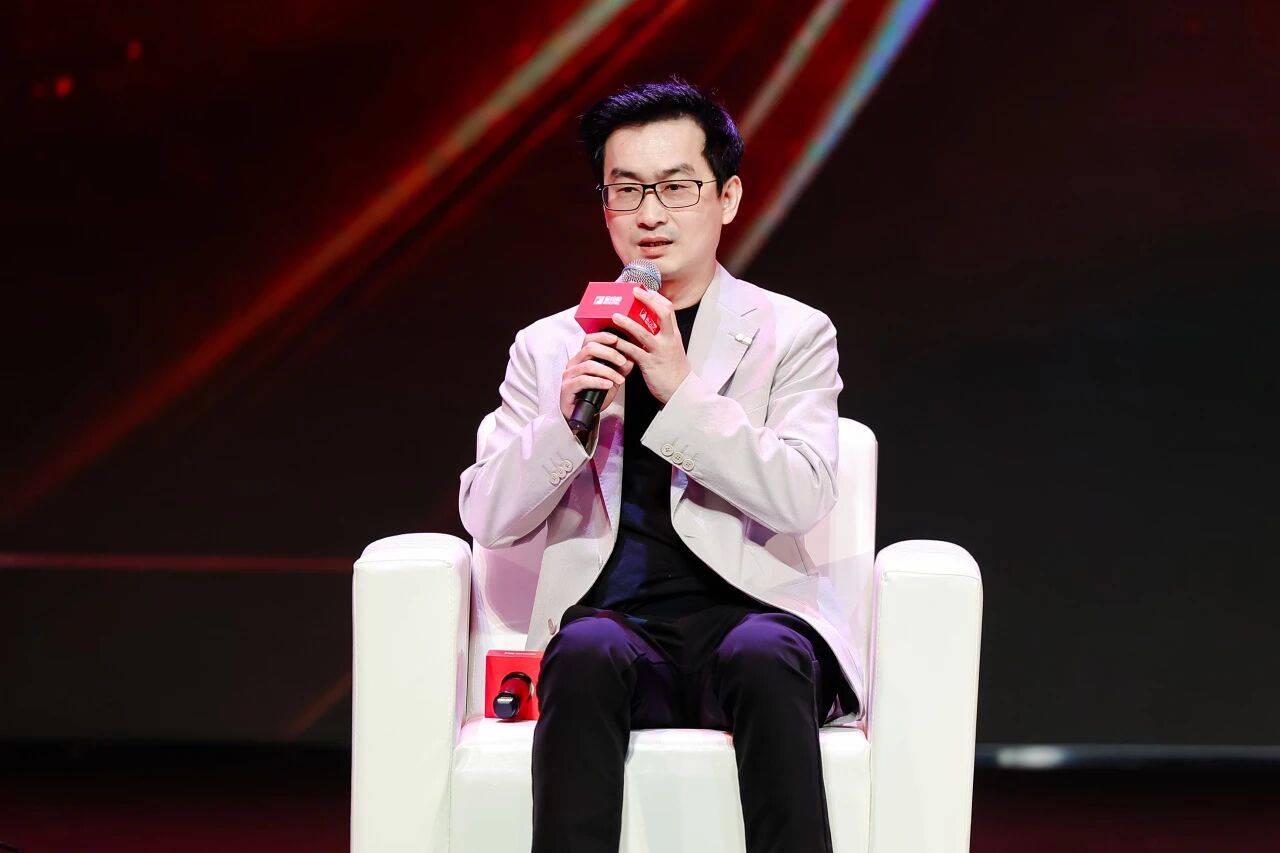
Jizeng Ye, Deputy General Manager of Wanglaoji Beverage Group:
AI greatly amplifies people's knowledge and intellectual resources, but the most essential capabilities in marketing remain human insight and judgment, and above all imagination and creativity. AI can generate a great many suggestions and proposals, yet it may not be able to create products and ideas that genuinely break through existing ways of thinking. The ideal marketing team of the future should delegate more "left-brain" work, namely logical analysis and data processing, to AI, while keeping "right-brain" abilities such as imagination, creation and value judgment for people, so that the two complement each other.
From a brand's perspective, AI allows in-house teams to produce high-frequency, personalized marketing content quickly. Employees can tailor materials and proposals to different channels and regions, reducing repeated back-and-forth with agencies. Professional service firms, however, still have systematic capabilities, experience in applying knowledge and cost advantages of scale. The two sides should therefore work in efficient synergy rather than simply replace one another.
Management needs to build a shared understanding of AI and drive change with vision, courage and responsibility, instead of treating AI only as a tool for cutting costs and raising efficiency. Adjusting positions does not simply mean eliminating them: data insight specialists, for example, can be retrained as trainers of AI data judgment. People should question every AI output and assess its risks. The AI era calls more than ever for continuous learning; otherwise AI will only make people increasingly idle, not increasingly capable.
From professional judgment to organizational restructuring, the two roundtables pointed to a common question: as AI keeps acquiring new capabilities, how can companies redefine the value of people and build organizations with stronger long-term competitiveness? This also echoes the theme of this year's ROI Festival, "Long-Termism in the AI Era." Going forward, Fudan SoM and professional institutions such as the ROI Festival will continue to promote exchange between industry and academia and jointly explore new paths for marketing capabilities and business value creation in the AI era.
